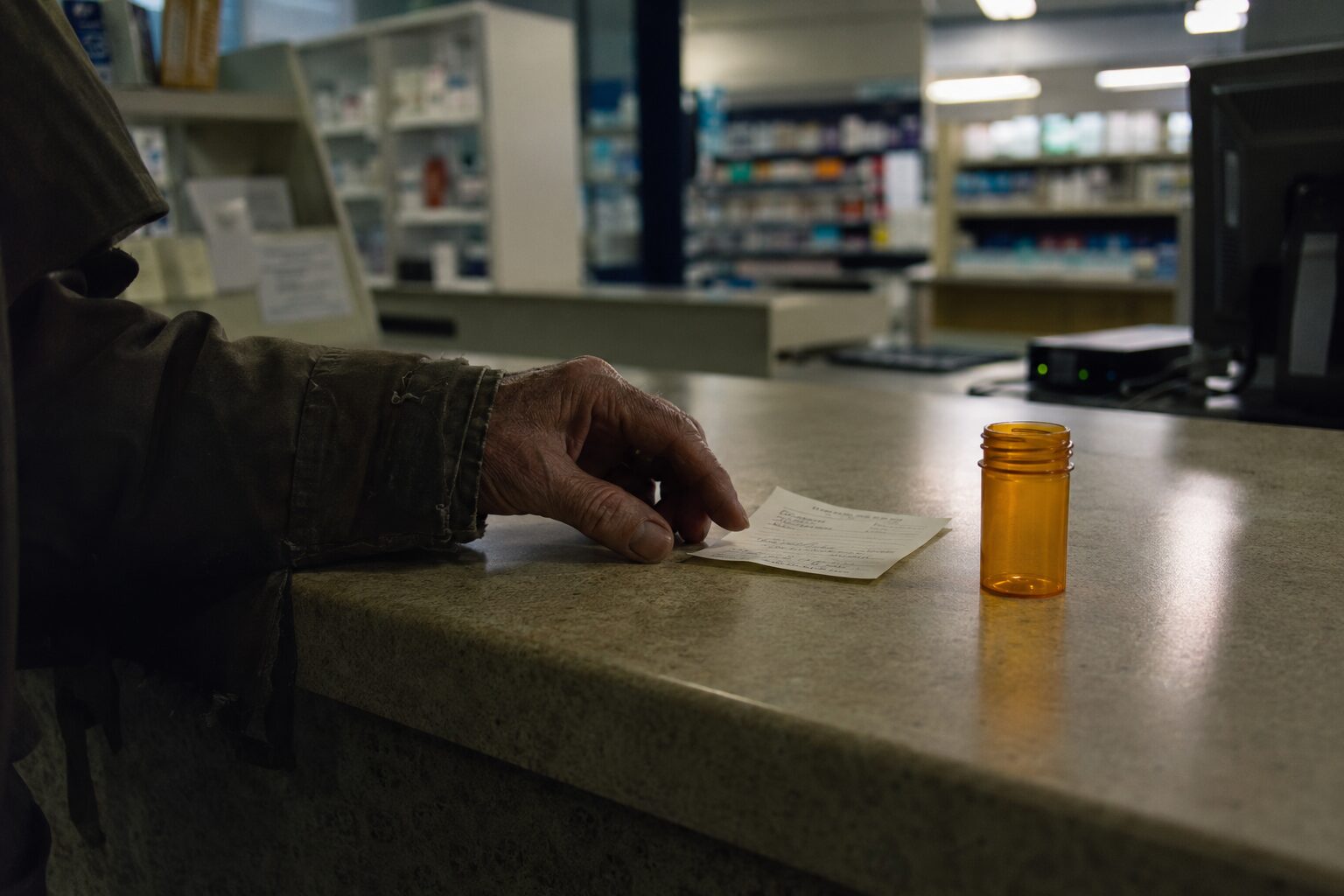
ipledge missed prescription window
Last updated: June 11, 2026
I’ve worked with a lot of people navigating complex systems with strict deadlines, and iPLEDGE is one of the most unforgiving I’ve seen. Miss a window by a single day, and the whole month restarts. That’s not a flaw in the system – it’s the system working exactly as designed, because isotretinoin carries serious risks during pregnancy.
What I want to do here is walk you through exactly what the rules are, what happens when the window closes on you, and what you can do about it right now. The rules also changed in early 2026, and a lot of patients are still operating on outdated information.
This covers the 7-day window mechanics, the lockout period, the 2026 FDA updates, and a practical system to keep it from happening again. If you’re already in crisis mode, jump to the section on what actually happens when you miss the window.
Quick answer: Missing your iPLEDGE prescription window means your authorization expires and you cannot fill your isotretinoin prescription until the system resets. For patients of childbearing potential, the reset requires a new pregnancy test and a fresh 7-day pickup window. Subsequent-month windows differ from first-dose rules, so contacting your prescriber immediately is essential to restart the process correctly.
The 7-Day Window: What It Is and Why It’s Non-Negotiable
The 7-day window is the period during which you must pick up your isotretinoin prescription at the pharmacy. Per the iPLEDGE Prescriber Guide, the window starts on the date your pregnancy test specimen is collected – not the date results come back, not the date your prescriber reviews them. That starting date counts as day 1.
Here’s what every patient enrolled in iPLEDGE needs to understand about how this window actually works:
-
The window opens on specimen collection day – For patients who can get pregnant, the clock starts the moment your blood or urine sample is collected for the required pregnancy test, not when your doctor reviews the results.
-
The window closes on day 7 – You have 7 calendar days total, including the collection date, to physically pick up your prescription at a certified pharmacy. Day 7 is still valid, but cutting it that close creates unnecessary risk.
-
The rule applies to all iPLEDGE patients – Both patients who can get pregnant and patients who cannot get pregnant are subject to the 7-day pickup window. The consequences for missing it differ by category, but no one is exempt.
-
The FDA requires this because isotretinoin causes severe birth defects – The FDA’s iPLEDGE REMS program exists specifically because isotretinoin is highly teratogenic. A negative pregnancy test result has a short shelf life in terms of safety assurance, which is why the pickup window is tight.
-
Your prescriber must authorize the prescription inside the window – The dermatologist enters their authorization in the iPLEDGE system, and the pharmacy can only dispense during the active window. If your prescriber hasn’t logged in to authorize, the pharmacy cannot fill it regardless of your test results.
-
Pharmacy staff check the iPLEDGE system in real time – When you arrive at the pharmacy, the pharmacist confirms your window is still open before dispensing. If your window closed yesterday, they cannot legally give you the medication.
-
Patients who cannot get pregnant still have a 7-day window – Their window is tied to confirming their monthly requirements in the iPLEDGE portal rather than a pregnancy test date, but the 7-day pickup rule still applies.
Understanding this sequence – test specimen collected, window opens, prescriber authorizes, pharmacy dispenses within 7 days – is the foundation. Once you see it as a chain, you can spot exactly where things break down.
What Actually Happens When You Miss the Window
Missing the window doesn’t just delay your next pickup by a day. It triggers a formal reset process with real time costs. Here’s the exact sequence of what happens.
Before I walk through the steps, one important note: the rules changed in February 2026. What I describe below reflects both the prior rules and the current updated rules, with clear labels on what changed.
-
Your window closes and the prescription expires – Once day 7 passes, the pharmacy can no longer fill that prescription. It’s not a matter of calling in a favor or explaining the situation at the counter. The iPLEDGE system locks the authorization, and no pharmacist can override it.
-
The 19-day lockout triggers – for most established patients – Under the rules that applied before the February 2026 update, any patient who can get pregnant and missed the 7-day window was required to wait 19 days before isotretinoin could be dispensed. Per iPLEDGE’s own program communications, this lockout was designed to allow enough time for a meaningful new pregnancy test. Many mid-treatment patients are still subject to this 19-day wait.
-
February 2026 update: first-dose patients have a different path now – The FDA updated the iPLEDGE REMS in February 2026 to remove the mandatory 19-day lockout for patients who can get pregnant and have not yet received their first dose of isotretinoin. If you missed the window before ever starting, you may be able to complete a repeat pregnancy test immediately and reset without waiting 19 days. Confirm this directly with your prescriber, because implementation timelines vary by practice.
-
You contact your dermatologist’s office – This is not optional and not something to delay. Call the office the same day you realize you missed the window. The clock on your reset starts when they begin the process, not when you get around to calling.
-
A repeat pregnancy test is required – For patients who can get pregnant, a new specimen must be collected. Depending on whether you’re in your first month or mid-treatment, and depending on your practice’s workflow, this may require an in-office visit or a lab order.
-
Your prescriber re-authorizes in iPLEDGE – Once the new test clears and all requirements are confirmed, your dermatologist enters a new authorization. This opens a fresh 7-day window.
-
You have a realistic timeline to plan around – For patients subject to the 19-day lockout, expect at minimum 19 days plus however long it takes to schedule the repeat test and get the new authorization entered. Realistically, for many patients working with busy dermatology practices, the total delay is 3 to 5 weeks. For first-dose patients using the updated 2026 pathway, the delay can be shorter – sometimes under 2 weeks if the office moves quickly.
Patients who cannot get pregnant face a different but still real reset. They don’t have a pregnancy test requirement, but they still need their prescriber to re-authorize in iPLEDGE after the missed window, and there is still a lockout period before a new prescription can be dispensed. Contact your prescriber immediately regardless of your category.
First Dose vs. Subsequent Months: The Rules Are Not the Same
Many patients assume the rules are identical whether they’re on month 1 or month 5. They’re not, and confusing the two leads to wrong expectations about how long a reset will take.
For context: under the old rules (pre-2026), missing the window meant a 19-day lockout for all patients who can get pregnant, regardless of where they were in treatment. The February 2026 FDA modifications changed that specifically for first-dose patients. The DermSquared breakdown of the prior rules explains what patients experienced before those changes took effect.
| Scenario | Who It Affects | Lockout or Wait Period | Steps to Reset | Estimated Delay |
|---|---|---|---|---|
| Missed window, first dose ever, can get pregnant | New patients before starting treatment | 19-day lockout removed (Feb 2026) – immediate repeat test option | Repeat pregnancy test + prescriber re-authorization in iPLEDGE | As few as 7-14 days depending on practice speed |
| Missed window, mid-treatment, can get pregnant | Patients on month 2+ | 19-day lockout still applies (as of 2026 update) | Wait 19 days, complete repeat test, get new prescriber authorization | 3-5 weeks minimum |
| Missed window, any point, cannot get pregnant | All patients in this category | Lockout applies; exact duration set by iPLEDGE rules for this group | Prescriber confirms requirements in iPLEDGE, re-authorizes prescription | 1-3 weeks depending on practice |
| Missed window due to pharmacy stock issue | Any patient | No stock-shortage exception in iPLEDGE | Same reset process as any missed window | Varies by category above |
| Prescriber failed to authorize in time | Any patient | Not a patient lockout – prescriber process issue | Prescriber must enter authorization before window closes | Preventable with early prescriber contact |
Missing the window mid-treatment does not automatically restart your full consent and registration process. Your iPLEDGE enrollment stays active. What resets is the prescription cycle, not your program membership. Your prescriber will need to re-authorize, and you’ll need a new pregnancy test if applicable – but you don’t go back to square one on the registration paperwork.
Treatment continuity is the real cost here. A 3-to-5-week gap mid-course affects your cumulative dose. Whether that changes your total treatment length is a clinical decision your dermatologist makes based on how much medication you’ve received overall. Ask them directly at your reset appointment.
One Patient’s Missed Window: What the Reset Actually Looked Like
A Practical System for Never Missing the Window Again
The mistake I see most often is treating the 7-day window as a loose deadline. It isn’t. It’s a hard cutoff with no exception built in for bad luck, busy schedules, or pharmacy stock issues. Building a reliable system around it takes about 20 minutes of setup, once.
Here are the steps I walk every patient through at the start of their isotretinoin course. Use your monthly iPLEDGE requirements checklist alongside this.
-
Know your exact window open and close dates – Log into the iPLEDGE portal after every pregnancy test or requirement confirmation. Your window open date and close date are displayed there. Screenshot it. Do not rely on memory or a rough estimate of “sometime this week.”
-
Set two calendar alerts – one when the window opens, one 48 hours before it closes – The opening-day alert reminds you to start coordinating. The 48-hour alert is your last real chance to pick up without stress. I tell patients: if you haven’t picked up by that 48-hour alert, treat it as an emergency task, not a to-do.
-
Confirm pharmacy stock before your window opens – Isotretinoin shortages are real and have affected patients in multiple states over the past two years. Call your pharmacy on day 1 of your window and confirm they have your dose in stock. Don’t wait until day 5 to find out they need to order it.
-
Sequence your dermatologist appointment, pregnancy test, and pharmacy pickup as one planned unit – These three steps are linked. If your appointment is on a Monday, your lab draw is that same day or the next morning, and your pharmacy pickup should be planned for Wednesday through Friday of that same week. Don’t schedule the appointment and leave the rest vague.
-
Identify a backup pharmacy before you need one – Have a second iPLEDGE-certified pharmacy in your phone contacts. If your primary pharmacy is out of stock or has a system issue on day 6, you need to be able to act immediately. Confirm the backup is certified to dispense isotretinoin before you need them.
-
If travel or illness is coming, call the prescriber’s office proactively – There are sometimes options available – adjusted appointment timing, telehealth confirmations, or early lab orders – but your prescriber can only help if you give them enough lead time. Calling on day 7 because you’re about to board a flight is too late. Calling 10 days before your window opens gives them room to work.
-
Understand how mail-order pharmacy timing interacts with the window – If you use a mail-order pharmacy, the prescription must be transmitted and the order placed within the 7-day window. Shipping time is not an extension of the window. I’ve seen patients assume the mail-order pharmacy has a grace period – it doesn’t. Order on day 1 or day 2 of your window to account for any processing delays.
For the full picture of how iPLEDGE fits into your Accutane journey, the isotretinoin treatment guide for new patients covers the broader context. And if you’ve ever wondered whether a missed window could affect how iPLEDGE registration works for your account, that’s worth reviewing before your reset appointment.
iPLEDGE Window Questions Worth Answering Before You Panic
Can I pick up my isotretinoin prescription on day 7 itself, or is that already too late?
Day 7 is still within the window. The 7-day period includes the date of specimen collection as day 1, so day 7 is a valid pickup day.
That said, I strongly recommend going early in the day on day 7 – pharmacy system issues, staffing problems, or a stock shortage discovered at the counter give you no room to recover if you arrive at 5 PM.
My pharmacy was out of stock and I missed the window – is that treated differently than just forgetting?
iPLEDGE does not have a stock-shortage exception. The lockout applies regardless of why you missed the window, whether that’s forgetting, illness, work conflict, or a pharmacy that ran out of your dose. This is exactly why confirming stock on day 1 of your window matters.
If your pharmacy can’t fill it, you need to find a certified alternate pharmacy while you still have days remaining.
Does missing the window affect my overall treatment length or dose?
A missed window pauses treatment but does not automatically extend your total course. Your dermatologist calculates isotretinoin treatment based on cumulative dose relative to your body weight.
A 3-to-5-week gap may or may not change their recommendation for your remaining months – that depends on how much medication you’ve already received. Ask your dermatologist directly at the reset appointment. Don’t assume the gap gets tacked on automatically.
You can also review isotretinoin side effects and what to expect for context on how treatment gaps might affect your skin’s response.
I can’t get pregnant – do the same window rules apply to me?
Patients who cannot get pregnant are also subject to the 7-day pickup window and face a lockout if they miss it.
The lockout rules and reset process are different from those that apply to patients who can get pregnant – there’s no pregnancy test requirement involved – but the window itself is equally binding. Contact your prescriber immediately if you miss it.
The reset process is generally faster for this group, but it still requires prescriber re-authorization in iPLEDGE before a new prescription can be dispensed.
Sources
The rules described in this article are drawn from official iPLEDGE and FDA program documentation, as well as clinical coverage of the February 2026 REMS modifications. Verify current rules with your prescriber, as implementation timelines can vary.
- FDA iPLEDGE REMS official page (updated Feb 2026) – primary source for 7-day window rules and 2026 lockout changes
- iPLEDGE Prescriber Best Practices Guide – source for specimen collection date as window start
- iPLEDGE REMS Home – program announcement on 19-day lockout removal
- Dermatology Times – FDA February 2026 REMS modifications coverage, first-dose patient pathway changes
- DermSquared – breakdown of FDA-mandated iPLEDGE changes and prior 19-day lockout rules (Jan 2024)