
Daily Habits That Help Your Acne Treatment Work Better
Last updated: June 26, 2026
I’ve watched people get a prescription, do everything their dermatologist said, and still feel like nothing is happening at week six. Usually, the medication is fine. The daily habits around it are what’s stalling progress.
Doxycycline, spironolactone, and tretinoin are genuinely effective – but they work slowly, and they’re sensitive to what you do every single day. The right habits amplify them. The wrong ones quietly cancel them out.
This article covers the specific daily routines, behaviors, and lifestyle choices that determine whether your 8 to 12 weeks of treatment actually deliver results. I’ll walk through the morning and night routine, the habits that sabotage prescriptions without you realizing it, and what I personally tracked during 12 weeks on tretinoin and doxycycline together.
Quick answer: Daily habits that support acne treatment include cleansing consistently morning and night, applying prescriptions at the same time each day, prioritizing sleep, and managing stress to reduce hormonal triggers. Avoiding habits like skipping doses, over-washing, or using harsh products prevents sabotage. Consistency with these routines helps prescriptions work significantly more effectively.
Why Daily Habits Matter as Much as the Prescription Itself
Your prescription is doing real biochemical work. Doxycycline kills the bacteria (C. acnes) that fuel breakouts. Tretinoin speeds up skin cell turnover so clogged pores clear faster. Spironolactone blocks the androgens that tell your oil glands to overproduce.
Each one targets a specific driver of acne – but none of them can compensate for habits that keep re-triggering those same drivers every day.
Skipping doses, sleeping in your makeup, or swapping your cleanser every two weeks creates noise that drowns out the signal. Your skin can’t stabilize when the conditions around it keep changing. Inconsistency doesn’t just slow progress – it makes it nearly impossible to tell what’s actually working.
Expect 8 to 12 weeks before you see meaningful improvement, even when you do everything right. That timeline is baked into how these medications work at a cellular level, and no habit will shortcut it. What daily habits do is make sure those 8 to 12 weeks actually count.
For a broader look at how lifestyle fits into the full picture, the complete guide to living well on acne treatment is worth reading alongside this one.
Build a Consistent Morning and Night Routine Around Your Prescription
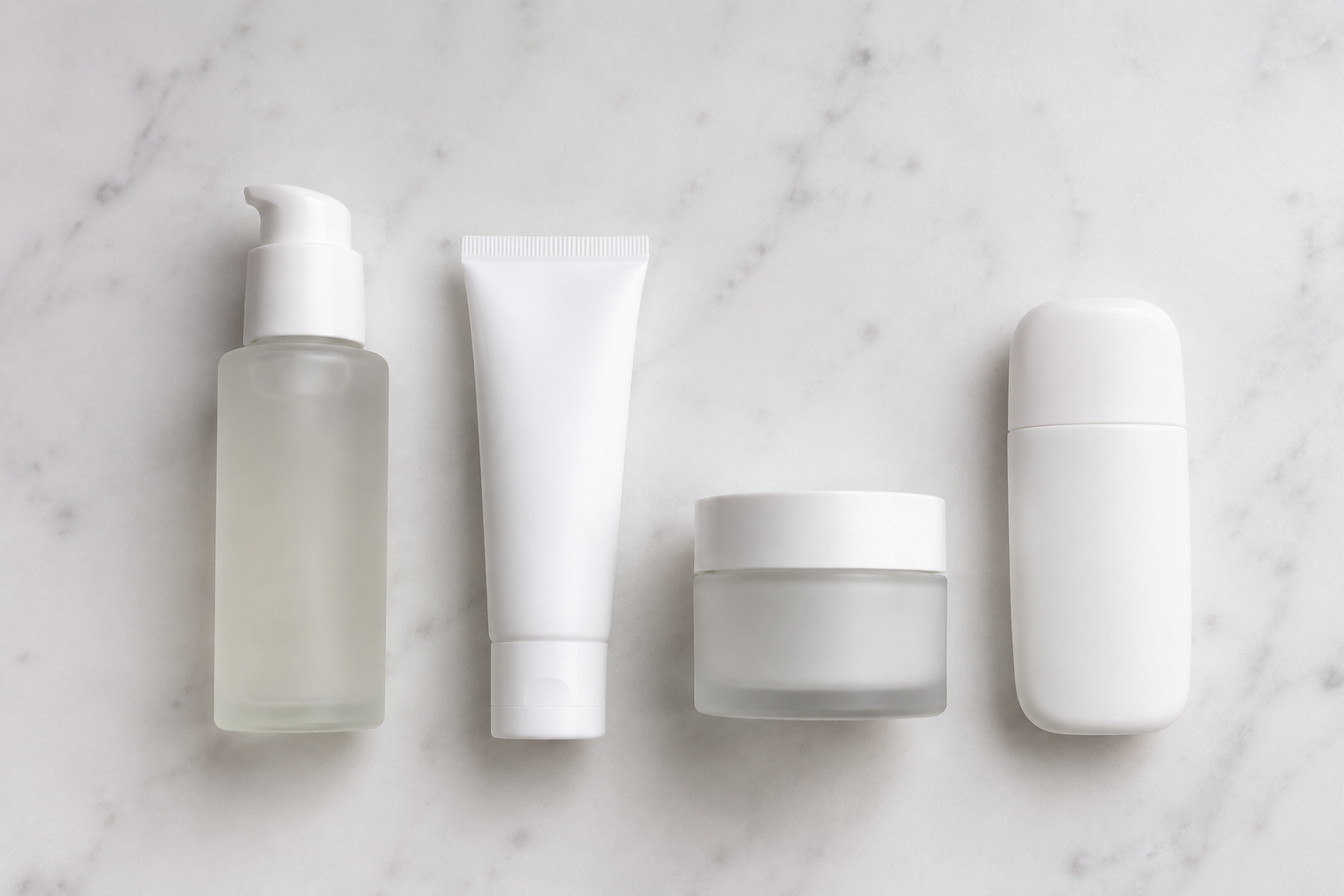
A routine that layers safely with your prescription doesn’t need to be complicated. Five steps in the morning and four at night is enough. Per Mayo Clinic’s guidance on acne-prone skin care, washing twice daily with nonoily, water-based products is foundational – everything else builds from there.
Morning
-
Cleanse with a gentle, non-stripping cleanser – Look for a low-pH formula with no sulfates – something like a milky or gel cleanser that leaves your skin comfortable, not tight. Harsh cleansers compromise your skin barrier, which makes tretinoin irritation significantly worse. Rush University Medical Center recommends keeping the cleanse simple: once or twice daily, no scrubbing.
-
Let skin dry completely before any prescription active – If your dermatologist has you applying tretinoin at night only (the most common protocol), skip this wait in the morning and go straight to moisturizer. If you do apply an active in the AM, damp skin absorbs it faster and increases irritation risk – always apply to fully dry skin.
-
Apply a lightweight, non-comedogenic moisturizer – Ingredients like niacinamide, ceramides, or hyaluronic acid work well here. Avoid anything with fragrance, which is a common irritant when your barrier is already compromised by a retinoid. I found the best moisturizers for dry skin on acne medication were the ones with the shortest ingredient lists.
-
Apply broad-spectrum SPF 30 or higher – every single morning, no exceptions – Tretinoin thins the outermost layer of skin and makes it burn faster. Doxycycline causes photosensitivity that can trigger post-inflammatory hyperpigmentation, meaning a single bad sun exposure can leave a dark mark that takes months to fade. A mineral SPF with zinc oxide sits well over moisturizer and doesn’t pill.
Evening
-
Cleanse thoroughly to remove sunscreen and debris – If you wore SPF or makeup, a double cleanse works well – an oil-based balm first to dissolve sunscreen, followed by your gentle cleanser. Tretinoin applied over sunscreen residue absorbs unevenly and can cause patchy irritation.
-
Wait at least 10 minutes after cleansing before applying your prescription treatment – This is especially important with tretinoin. Applying it to damp skin increases penetration and dramatically increases peeling, redness, and the urge to quit. Set a timer if you have to.
-
Apply your prescription as directed, then seal with a fragrance-free moisturizer – The “sandwich” method – moisturizer, then tretinoin, then moisturizer – is a common workaround for beginners. Check with your dermatologist first since it can reduce efficacy for some formulations. If dryness is severe, when to use Aquaphor in your acne routine covers barrier repair options worth knowing about.
One mistake worth calling out specifically: do not combine tretinoin with benzoyl peroxide in the same routine without explicit guidance from your prescriber. Benzoyl peroxide oxidizes tretinoin and degrades it, so you’d be neutralizing one of your most effective tools.
If you need both, use benzoyl peroxide in the morning and tretinoin at night. If you’re also navigating a stronger prescription and want a comparison, the best skincare routine while on Accutane covers similar layering logic.
The Habits That Quietly Sabotage Your Prescription

Most people don’t realize their daily behaviors are working against their medication. The American Academy of Dermatology identifies several of these habits explicitly – and in my experience, the most damaging ones are the easiest to overlook.
-
Touching or picking at your face – Every time your fingers contact an active blemish, you transfer bacteria from your hands and push debris deeper into the pore, which increases the risk of post-inflammatory hyperpigmentation that can last 3 to 6 months after the original spot clears.
-
Switching products before giving them time to work – Introducing a new cleanser, serum, or spot treatment every 1 to 2 weeks makes it impossible to know what’s helping and what’s causing irritation. Stick with the same products for at least 4 weeks before evaluating them.
-
Using comedogenic or fragrance-heavy makeup and hair products – Ingredients like coconut oil, isopropyl myristate, and synthetic fragrance are common acne triggers. Hairline breakouts especially are often caused by pomades, dry shampoos, or conditioners migrating onto the forehead.
-
Skipping moisturizer because skin feels oily – Stripping your skin of moisture signals it to produce more sebum, not less. Oil-free, non-comedogenic moisturizers hydrate without adding pore-clogging ingredients – skipping them backfires every time.
-
Spot-treating instead of treating the full affected area – Applying tretinoin or a topical antibiotic only to visible blemishes ignores the microcomedones forming beneath the skin surface. Prescription actives work best applied thinly across the entire zone (full cheek, full jawline), not dabbed on individual spots.
-
Inconsistent medication timing – Doxycycline is typically prescribed twice daily, roughly 12 hours apart. Irregular timing means your blood levels fluctuate, which reduces the antibiotic’s ability to suppress C. acnes consistently. Set two phone alarms and keep them.
Sleep, Stress, and Hormones: The Invisible Acne Triggers
Poor sleep directly increases sebum production. When you sleep fewer than 7 hours, cortisol stays elevated overnight instead of dropping – and elevated cortisol stimulates the sebaceous glands to produce more oil. That’s a direct biochemical pathway from a bad night’s sleep to a new breakout within 48 to 72 hours.
Chronic stress elevates androgens, which is the exact mechanism spironolactone is designed to block. If you’re under sustained stress, your androgen levels are working against the medication every day.
This doesn’t mean spironolactone stops working, but it does mean stress management isn’t optional – it’s part of the treatment. What you eat also matters here; check out foods to avoid while on acne medication for the dietary side of this equation.
Two practical habits I found genuinely useful: a consistent sleep schedule (same wake time every day, including weekends) and screens off 30 minutes before bed. Both reduce cortisol variability. Aim for 7 to 9 hours as a non-negotiable target while you’re in the active phase of treatment.
Pillowcase hygiene is easy to overlook. Change your pillowcase at least twice a week – your face presses against it for 7+ hours, and it accumulates oil, dead skin, and product residue fast. Keep your hair off your face at night; a loose bun or clip prevents hair product and scalp oil from transferring to your skin while you sleep.
What I Tracked Over 12 Weeks on Tretinoin and Doxycycline Together
Acne Habit Questions Worth Answering Before You Start
Can I wear makeup while on tretinoin or doxycycline?
Yes, but the formula matters. Choose non-comedogenic, fragrance-free products – mineral-based foundations tend to work well because they don’t contain pore-clogging oils.
On nights when you’re applying tretinoin, apply your moisturizer first as a buffer before any prescription treatment, and always remove makeup fully before bed.
Sleeping in makeup – even a small amount – blocks the skin’s overnight repair process and counteracts what your prescription is doing.
How long before I see results if I follow these habits consistently?
Most people see meaningful improvement between 8 and 12 weeks, and that timeline doesn’t change much even with perfect habits. What consistent habits do is prevent setbacks that push your timeline to 16 or 20 weeks. You’re not speeding up the medication’s biology – you’re removing the obstacles that would slow it down.
Does diet actually affect how well my acne prescription works?
Evidence links high-glycemic foods and dairy to increased sebum production and inflammation, per a review published in the Journal of Clinical and Aesthetic Dermatology. Cutting these foods can complement your medication, particularly if hormonal acne is involved. Diet alone won’t replace your prescription, but it can meaningfully reduce the inflammatory load your medication is working against.
Should I moisturize if my skin is oily or if I’m on doxycycline?
Yes – skipping moisturizer because your skin feels oily is one of the most common mistakes I see. Dehydrated skin compensates by producing more oil, which makes the problem worse. Choose an oil-free, non-comedogenic formula. Doxycycline doesn’t dry your skin the way tretinoin does, but if you’re using both together, a good moisturizer is doing real protective work every day.
Sources
- American Academy of Dermatology – 10 skin care habits that can worsen acne
- Mayo Clinic – Nonprescription acne treatment: Which products work best?
- Rush University Medical Center – 12 Tips to Combat Acne
- Journal of Clinical and Aesthetic Dermatology – Diet and acne review
- Dermatology and Therapy – Tretinoin in acne vulgaris treatment review