Best Moisturizers for Dry Skin on Accutane: How to Choose
Last updated: June 26, 2026
I’ve worked with a lot of acne patients navigating isotretinoin, and the question I hear most often around week four isn’t about breakouts – it’s “why does my face feel like it’s going to crack open?” The dryness hits fast, and most people are completely unprepared for it.
What I want to do here is cut through the noise. I’ll explain exactly why your skin behaves so differently on Accutane, which ingredients actually fix the problem, and which specific products are worth your money. I’ll also walk you through a layering routine you can start tonight.
If you want the full picture beyond moisturizer, the skincare routine on acne medication guide covers everything from cleansers to sunscreen in one place.
Quick answer: The best moisturizers for dry skin on Accutane are rich, fragrance-free formulas containing ceramides, hyaluronic acid, and occlusives like petrolatum or squalane. Top dermatologist-recommended options include CeraVe Moisturizing Cream, Vanicream, and La Roche-Posay Cicaplast Baume B5. These ingredients repair the compromised skin barrier that isotretinoin aggressively depletes during treatment.
Why Accutane Makes Your Skin So Dry (and Why Regular Moisturizers Fall Short)
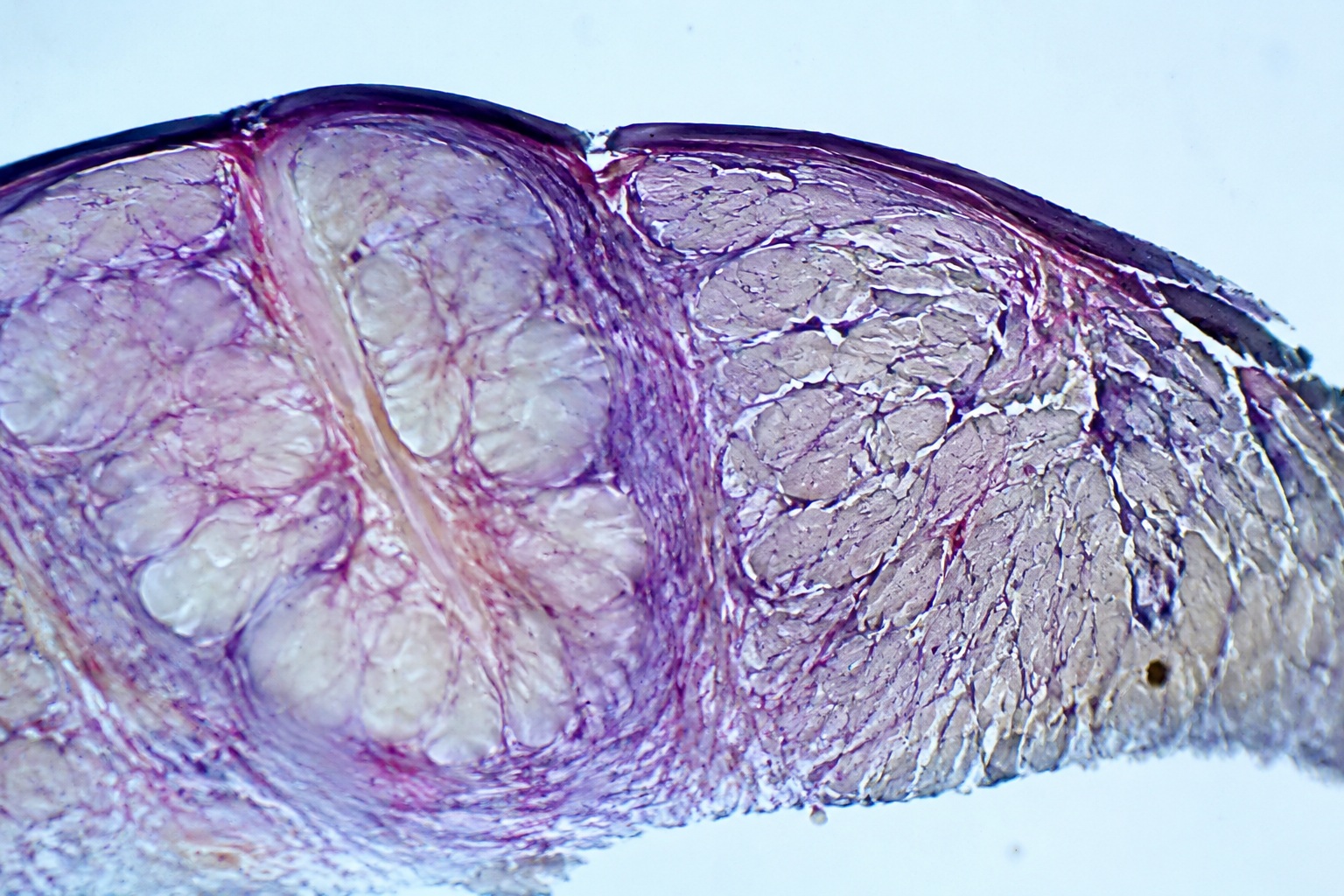
Isotretinoin works by shrinking your sebaceous glands – the tiny oil-producing structures underneath your skin. After a few weeks on the medication, those glands can produce up to 90% less sebum than they normally would.
Sebum does more than make your face look shiny. It’s a key part of your skin’s protective barrier, the outermost layer that keeps moisture locked in and irritants locked out. Without it, water evaporates off your skin much faster than it should – a process dermatologists call transepidermal water loss, or TEWL.
That’s why Accutane dryness feels different from regular winter dryness. Your skin’s ability to hold onto water is genuinely impaired, not just temporarily low.
A lightweight lotion or gel moisturizer – the kind that works fine for most people – doesn’t have the staying power to compensate for that level of barrier damage. Those formulas are mostly water, and they evaporate almost as fast as you apply them.
Your face also isn’t the only thing suffering. Isotretinoin affects every sebaceous gland in your body, so your lips crack, the inside of your nose gets raw, and your arms and legs can feel like sandpaper. One moisturizer for your face won’t cut it – you’ll likely need a separate, heavier product for your body and a dedicated lip ointment.
For a broader look at building your full complete skincare routine while on Accutane, that guide walks you through every step from cleanser to sunscreen.
The Ingredient Checklist That Separates Good Accutane Moisturizers from Great Ones
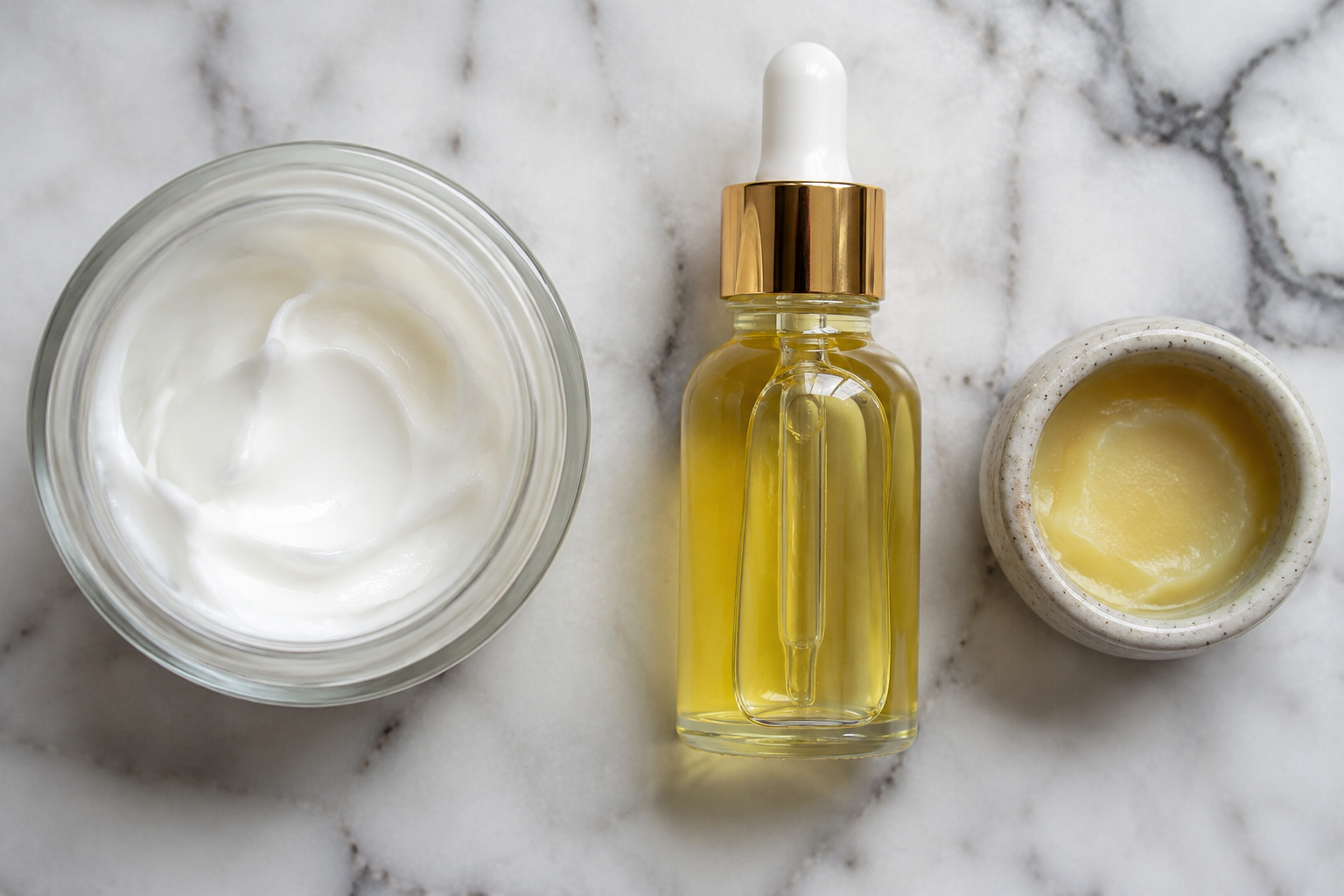
Any moisturizer can feel soothing for 20 minutes. What you need on Accutane is a formula that actively repairs your barrier, holds water in place, and doesn’t add new irritants on top of already-stressed skin. These are the ingredient categories I look for first.
- Glycerin (in the top 5 ingredients) – A humectant that pulls moisture from the air into your outer skin cells; if it’s listed late in the formula, there’s not enough to matter.
- Hyaluronic acid – Another humectant that binds water at the surface level; works best when applied to slightly damp skin so it has moisture to draw from.
- Ceramides – Lipids your skin naturally produces that Accutane depletes; a ceramide-rich moisturizer actively rebuilds the barrier rather than just sitting on top of it.
- Squalane and fatty acids (like those in shea butter) – Emollients that fill microscopic cracks in the barrier, making skin more flexible and less prone to flaking.
- Petrolatum or dimethicone – Occlusives that form a physical seal over everything underneath; petrolatum (plain Vaseline) is the most effective option at night, while dimethicone is lighter and works better under makeup.
- Fragrance-free and alcohol denat-free formula – Your compromised barrier can no longer tolerate these common irritants, even if you used fragranced products fine before Accutane.
- No AHAs, BHAs, or retinoid ingredients – Glycolic acid, salicylic acid, and anything retinol-adjacent will over-exfoliate skin that’s already thinned and sensitized; stacking them with isotretinoin risks painful peeling and broken capillaries.
- Broad-spectrum SPF 30+ (morning only) – Isotretinoin significantly increases photosensitivity; sunburns happen faster and can leave hyperpigmentation that lingers for months after your course ends. Mineral formulas with zinc oxide tend to be gentler than chemical UV filters on a sensitized barrier.
Top Moisturizers Dermatologists and Accutane Patients Actually Recommend
Dermatologists consistently point to a short list of fragrance-free, barrier-supportive formulas when asked what to use on Accutane. The table below covers face, body, and lips – because you’ll need all three categories covered.
According to Smart Skin Dermatology’s Accutane patient guide, a thick cream-based moisturizer applied as often as possible is the standard recommendation – and for lips specifically, a lip balm alone won’t be enough. You need an ointment.
| Product | Best For | Key Ingredients | Price Range | Where to Buy |
|---|---|---|---|---|
| CeraVe Moisturizing Cream | Face + body | Ceramides 1/3/6-II, hyaluronic acid, glycerin | ~$18 / 16 oz | Drugstore, Amazon, Target |
| La Roche-Posay Lipikar Balm AP+M | Very dry body skin | Shea butter, niacinamide, glycerin | ~$22 / 13.5 oz | Drugstore, Amazon |
| Cetaphil Moisturizing Cream | Face (sensitive skin) | Glycerin, petrolatum, sweet almond oil | ~$15 / 16 oz | Drugstore, Amazon, Target |
| Aquaphor Healing Ointment | Lips + night sealing | Petrolatum 41%, lanolin, glycerin | ~$10 / 3.5 oz | Drugstore, Amazon, Target |
| Vanicream Moisturizing Skin Cream | Face + body (irritant-free) | Glycerin, squalane, sorbitol – free of dyes, fragrance, lanolin | ~$16 / 16 oz | Drugstore, Amazon |
My go-to recommendation for most people starting Accutane is CeraVe Moisturizing Cream for the face, Aquaphor on the lips every 1-2 hours, and either Vanicream or La Roche-Posay Lipikar for the body. That trio covers the three problem zones without overlap.
My Skin on Month Two of Accutane: What Actually Worked
How to Layer Moisturizer Into Your Accutane Skincare Routine
The order you apply products matters as much as the products themselves. Putting moisturizer on dry skin after waiting five minutes is a common mistake I see – by then, the surface water that humectants need to bind to is already gone.
-
Use a gentle, non-foaming cleanser – Foaming cleansers strip the little remaining oil your skin has. Look for something labeled “hydrating” or “cream cleanser” – Cetaphil Gentle Skin Cleanser or CeraVe Hydrating Cleanser both work well. Wash with lukewarm water, not hot.
-
Apply a hyaluronic acid serum or glycerin toner to damp skin – Immediately after patting (not rubbing) your face 80% dry, apply your humectant layer. Damp skin gives the hyaluronic acid something to draw into the outer cells. Waiting until your skin is fully dry defeats the purpose.
-
Layer your cream-based moisturizer on top within 60 seconds – Apply CeraVe, Vanicream, or Cetaphil Cream while the serum is still slightly tacky. This seals the humectant layer in place before it evaporates. I press the moisturizer in gently rather than rubbing, which reduces friction on sensitized skin.
-
Morning: apply a mineral SPF 30+ as your final step – Zinc oxide or titanium dioxide formulas are gentler than chemical filters on a compromised barrier. EltaMD UV Clear and La Roche-Posay Anthelios Mineral are two I recommend specifically for Accutane skin. Skip any active ingredients – no vitamin C, no niacinamide above 5%, no acids – unless your dermatologist has specifically cleared them.
-
Evening: add a thin occlusive layer over your driest areas – A small amount of Aquaphor or plain Vaseline over your moisturizer on cheeks, chin, or anywhere actively flaking will seal everything in overnight. This is what’s called “slugging,” and it genuinely works. You don’t need to cover your whole face – just the problem spots.
-
Lips: reapply Aquaphor or Vaseline every 1-2 hours, all day – Set a phone alarm if you need to. Cracked lip corners can become painful enough to affect eating, and they take longer to heal than facial dryness. Check out when Aquaphor helps acne-prone skin for more on why this ointment outperforms standard lip balm on Accutane.
-
Avoid all active exfoliants for the duration of your course – No AHAs, BHAs, physical scrubs, or retinoids. Your skin cell turnover is already accelerated by the isotretinoin. Adding exfoliants on top risks raw, broken skin that’s much harder to recover.
Beyond your skincare routine, daily habits that help your acne treatment work better covers the lifestyle side – sleep, stress, and hydration all affect how your skin tolerates the medication.
What Confuses Most People About Moisturizing on Accutane
Can moisturizer clog pores and cause breakouts while on Accutane?
Non-comedogenic, fragrance-free cream moisturizers are safe to use during isotretinoin treatment.
Accutane itself is dramatically reducing your oil production, which is the primary driver of clogged pores – so the usual risk of a rich cream causing breakouts is much lower than it would be off-medication.
Stick with labels that say “non-comedogenic” and avoid formulas with heavy plant oils like coconut oil.
How often should I apply moisturizer when on Accutane?
At minimum, morning and night. If your skin is actively flaking or feels tight by early afternoon, a midday application is completely appropriate – there’s no such thing as over-moisturizing when your barrier is this compromised. Your lips are a separate matter: reapply Aquaphor or Vaseline every 1-2 hours throughout the day, not just twice.
Is it okay to use a moisturizer with SPF on Accutane?
A moisturizer with built-in SPF is not only fine – it’s encouraged. Isotretinoin increases your skin’s sensitivity to UV radiation, making daily sun protection non-negotiable.
Look for mineral formulas containing zinc oxide or titanium dioxide, which sit on top of the skin rather than absorbing into it, and tend to cause less irritation on a sensitized Accutane barrier.
Also consider foods to avoid while on acne medication – some supplements and foods interact with isotretinoin in ways that affect how your skin responds.
When does Accutane dryness peak, and will moisturizer be enough?
Dryness typically peaks somewhere between months 1 and 3, when isotretinoin’s effect on sebaceous glands is most aggressive. A solid moisturizing routine manages the symptoms for most people during this window.
If your skin is cracking, bleeding, or raw rather than just dry and flaky, contact your dermatologist – a temporary dose reduction is sometimes the right call, and no amount of moisturizer fully compensates for severe barrier breakdown.
Sources
- American Academy of Dermatology – Isotretinoin overview and photosensitivity
- Smart Skin Dermatology – Accutane: How to Survive It (patient guide PDF)
- New York Magazine Strategist – Best Skin-Care Products for Accutane Users, According to Dermatologists
- PubMed / National Library of Medicine – Isotretinoin and skin barrier function research