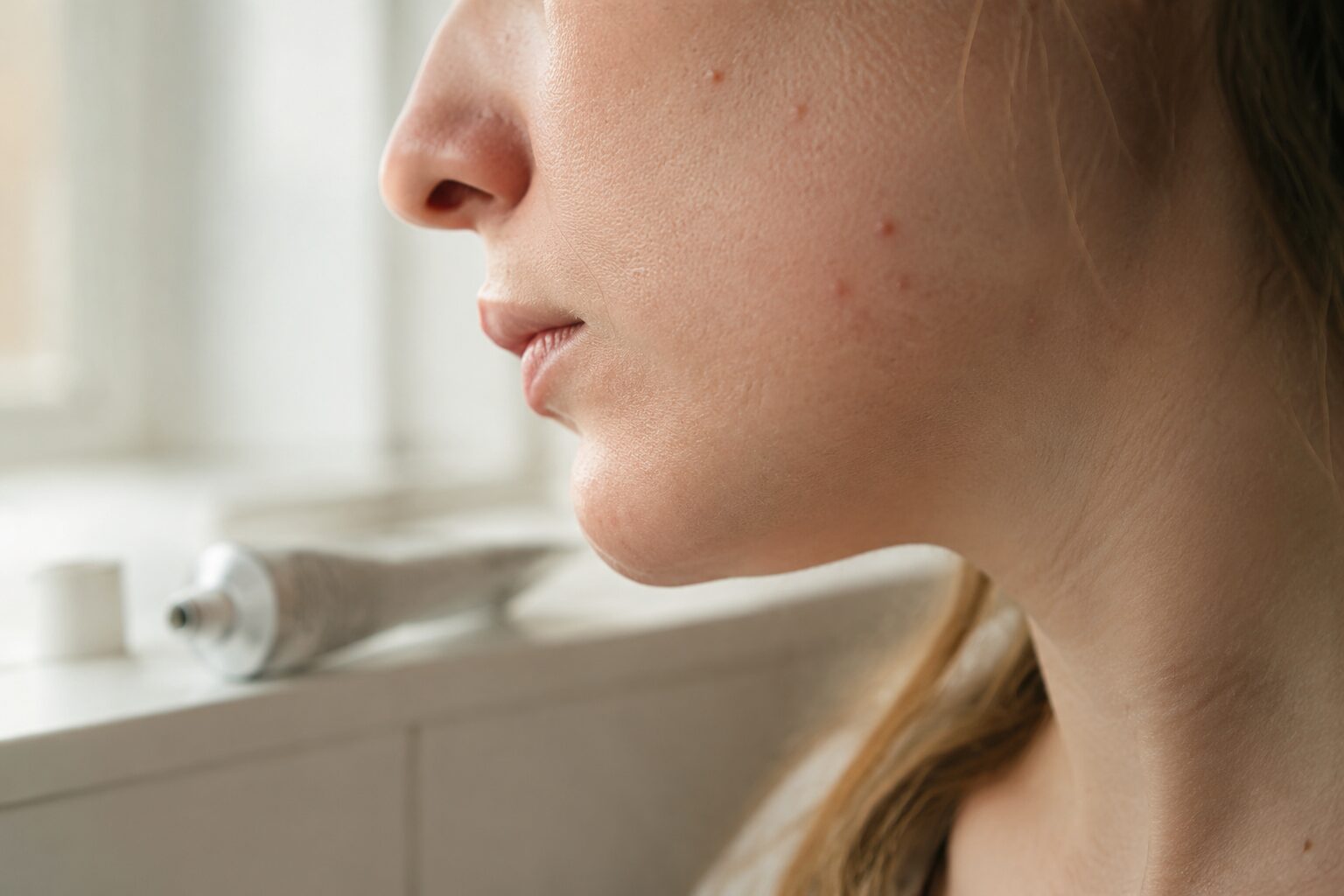
The Retinol Purge: Why Skin Gets Worse Before Better
Last updated: June 26, 2026
I’ve watched dozens of people quit retinol at exactly the wrong moment – week three, when their skin looked its absolute worst. They assumed the product was making things worse. What was actually happening was the purge doing exactly what it should.
If your skin has broken out since starting retinol or tretinoin, this article will explain why that happens, how to tell a purge from a real problem, and what to actually do during those first brutal weeks. I’ll also walk you through my own 10-week experience so you know what “normal” looks like from someone who’s been through it.
Quick answer: The retinol purge is a temporary acne flare-up caused by retinol accelerating skin cell turnover, which pushes clogged pores and trapped sebum to the surface faster than usual. It typically lasts four to eight weeks and is not a true breakout. Purge pimples appear in your normal acne-prone areas and resolve on their own as skin adjusts.
The Biology Behind the Purge: Accelerated Cell Turnover Explained
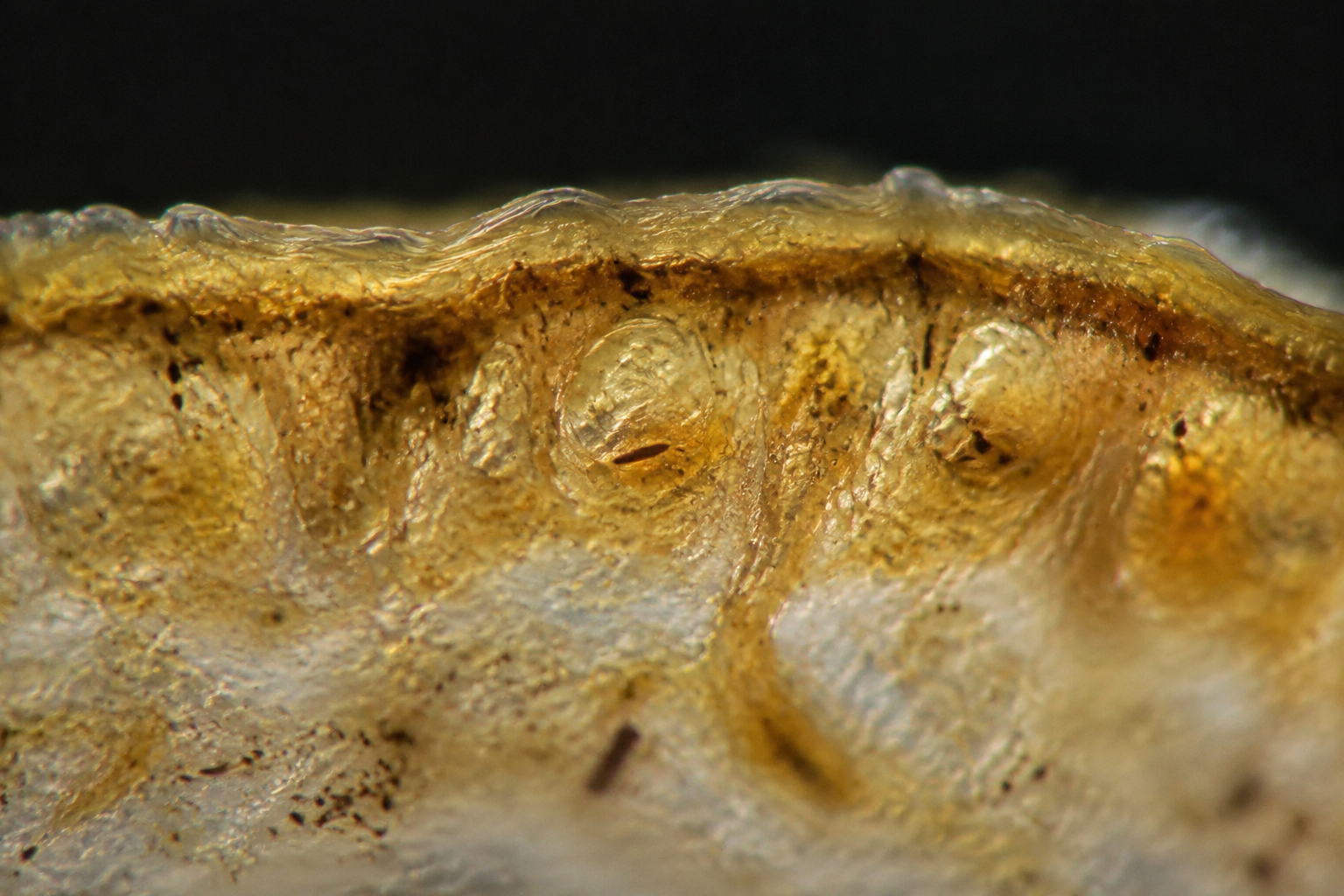
Retinoids work by binding to retinoic acid receptors inside your skin cells – nuclear receptors that directly control how fast those cells divide and shed. When you apply tretinoin or retinol, you’re essentially telling your skin to cycle faster than its usual 28-40 day rhythm.
That acceleration is where microcomedones come in. These are tiny, invisible clogs already sitting beneath your skin’s surface – sebum and dead cells that haven’t reached a pore yet.
As Cascade Eye & Skin explains, retinoids are among the primary drivers of this purging process precisely because of how aggressively they speed up cell turnover.
Retinoids push those clogs to the surface weeks ahead of schedule, which is why you suddenly see a cluster of whiteheads in week two even though nothing else changed.
The process is self-limiting because there’s a finite number of those pre-existing clogs. Once they’ve cleared, your skin has no backlog left to push out, and ongoing cell turnover keeps pores cleaner going forward. According to Dermatica SkinLab, this initial flare is a recognizable feature of retinoid treatment – not a sign of damage.
Tretinoin causes a noticeably more intense purge than an OTC retinol serum because it’s a direct retinoic acid that skin uses immediately, while retinol requires two conversion steps that slow and dilute its effect.
If you want a full breakdown of those differences, see my guide on the difference between retinol and tretinoin for acne. If you started on prescription-strength tretinoin and your skin is angrier than your friend’s was on a drugstore retinol, that’s expected.
Purge vs. Breakout: A Side-by-Side Reality Check
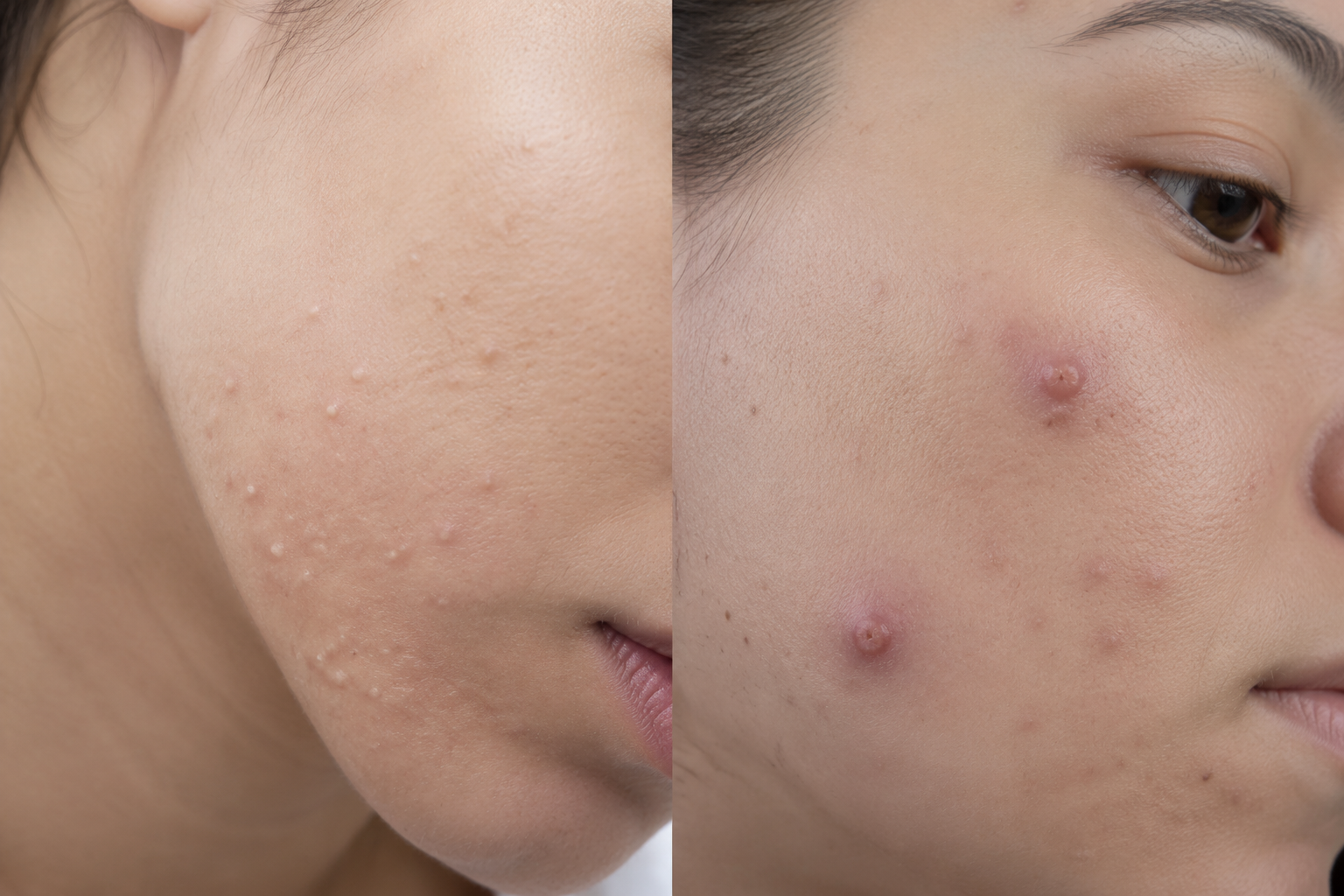
Knowing whether your reaction is a normal purge or a true breakout can save you from quitting too early – or from continuing something that’s genuinely harming your skin. Ubie Health describes skin purging as a short-term process where clogged pores surface as small blemishes – and the key word there is “small.”
Use this table to check your skin against five concrete signals. If your reaction lines up with the left column, stay the course. If it matches the right column – especially past the 8-week mark – talk to a dermatologist before continuing.
| Normal Purge | True Adverse Breakout | |
|---|---|---|
| Location | Appears in your usual breakout zones (chin, jawline, forehead) | Spreads to areas that were previously clear – cheeks, neck, temples |
| Lesion type | Small whiteheads and pustules, close to the surface | Deep, painful cysts or nodules that don’t come to a head |
| Timeline | Peaks around weeks 2-6, then visibly improves | Continues worsening or shows no improvement past 8 weeks |
| Skin feel | Accompanied by dryness, tightness, or flaking – classic retinoid side effects | Isolated inflammation with no dryness; skin texture otherwise unchanged |
| Response to continuing | Breakouts gradually resolve as the backlog clears | Breakouts persist or worsen regardless of continued use |
One pattern I see people miss: they panic at week three because their skin looks worse than day one. Week three is almost always the peak of a normal purge – give it the full 6 weeks before drawing any conclusions.
How Long the Retinol Purge Actually Lasts (With Realistic Timelines)
Most people underestimate how long the full adjustment takes. The initial purge and the full skin transformation are two different timelines, and mixing them up is why so many people feel like retinol “stopped working” around month two.
The cell turnover cycle – roughly 28 days in your 20s and 30s, slower as you age – explains why the purge rarely ends in under 4 weeks. You need at least one full cycle for the backlog to clear, sometimes two.
Peak breakouts typically land at weeks 2-4, regardless of whether you’re using OTC retinol or tretinoin. ZO Skin Health describes this window as temporary but uncomfortable – the phase where breakouts seem to multiply before the skin begins improving. Full skin adjustment, including barrier repair and genuine clarity, usually takes 12-16 weeks.
Several factors affect how long your specific purge lasts. Starting concentration matters a lot – 0.025% tretinoin will typically produce a shorter, milder purge than 0.1%.
Application frequency matters too: using retinol 3 nights per week will produce a slower, more manageable purge than nightly use.
APT Medical Aesthetics notes that breakouts gradually decrease as skin adjusts to increased cell turnover – patience through that adjustment window is the variable most people underestimate.
To see real-world progression photos and actual timelines from people who’ve gone through the full arc, my guide on tretinoin before and after timelines shows what weeks 4 through 16 can realistically look like.
My Own Retinol Purge: What Weeks 1-10 Actually Looked Like
Surviving the Purge: Routine Adjustments That Actually Help
Getting through the purge without quitting comes down to a few specific changes – not complicated ones. I made most of these adjustments after week 3, and they made the final stretch far more manageable.
If you’re looking for a gentler starting point, check out my roundup of the best over-the-counter retinol for acne – lower concentrations give your skin more time to adjust.
-
Buffer retinol under moisturizer – Apply your moisturizer first, let it absorb for 2-3 minutes, then apply retinol on top. This slows absorption just enough to cut redness and stinging without meaningfully reducing efficacy. I noticed a clear difference in irritation within the first week of switching to this order.
-
Start at 1-2 nights per week – Your skin needs time to upregulate the enzymes that process retinoic acid. Going nightly in week one is the single most common reason people get a severe purge they can’t tolerate. Build to nightly over 6-8 weeks as your skin adapts.
-
Strip back other actives during peak purge – Drop AHAs, BHAs, and vitamin C while your skin is in peak purge mode, roughly weeks 2-5. Layering acid exfoliants on top of retinol during this window damages the barrier and worsens inflammation. You can reintroduce them once the purge settles.
-
Use a gentle, non-comedogenic moisturizer twice daily – Morning and evening, not just at night. A fragrance-free moisturizer with ceramides or hyaluronic acid supports barrier repair during the adjustment phase. Dryness and flaking are not signs that retinol is “working harder” – they’re signs your barrier is stressed.
-
Don’t pick the purge lesions – Purge pustules resolve in 3-5 days if left alone. Picking delays healing by 7-10 days and increases the chance of post-inflammatory hyperpigmentation. I know it’s hard. Leave them alone.
-
SPF every single morning – Retinol increases photosensitivity by thinning the stratum corneum. Skipping SPF during retinol treatment is how you trade acne scars for sun damage. Minimum SPF 30, broad-spectrum, applied after moisturizer.
Retinol Purge Questions I Get Asked All the Time
Can the retinol purge cause cystic acne?
A normal purge surfaces microcomedones as small, shallow pustules or whiteheads – not cysts. Cysts form deep in the dermis and are driven by different factors, including hormonal activity and bacterial inflammation.
If you’re developing deep, painful cysts in areas that were previously clear, that’s more likely a true breakout or irritation reaction, and you should see a dermatologist rather than pushing through.
Should I moisturize more during the purge?
Yes – a gentle, non-comedogenic moisturizer helps maintain barrier function and reduces the dryness and flaking that come with retinoid use. Look for fragrance-free formulas with ceramides, niacinamide, or hyaluronic acid. The goal is to support your skin’s barrier without adding ingredients that could clog pores or interact with retinol.
Does purging happen with every retinol product, or only strong ones?
Purging can occur with any retinoid, but intensity tracks with potency. Prescription tretinoin – especially at 0.05% or 0.1% – typically causes a more pronounced purge than a 0.025% OTC retinol serum.
If you’re weighing whether the purge is worth the result, my comparison of retinol vs tretinoin: which works better for acne breaks down the effectiveness trade-offs at each strength.
And if you’re on Accutane and wondering about adding retinol, the article on using tretinoin while on Accutane covers that specific situation.
When should I actually stop using retinol?
Stop and see a dermatologist if breakouts are spreading to areas that were previously clear, you’re developing cysts or nodules rather than surface pustules, significant redness or peeling persists past 8 weeks without any improvement, or you experience burning that doesn’t subside after reducing frequency. A purge gets better over time. A true adverse reaction doesn’t.
Sources
- Dermatica SkinLab – Retinoids, skin purging, and how long it lasts
- ZO Skin Health – What is the retinol purge and how long does it last
- Cascade Eye & Skin Centers – Skin purging: what it is, what it looks like, and how long it lasts
- Ubie Health – Skin purging vs. breakouts: how to tell the difference
- APT Medical Aesthetics – Signs your skin is retinol purging