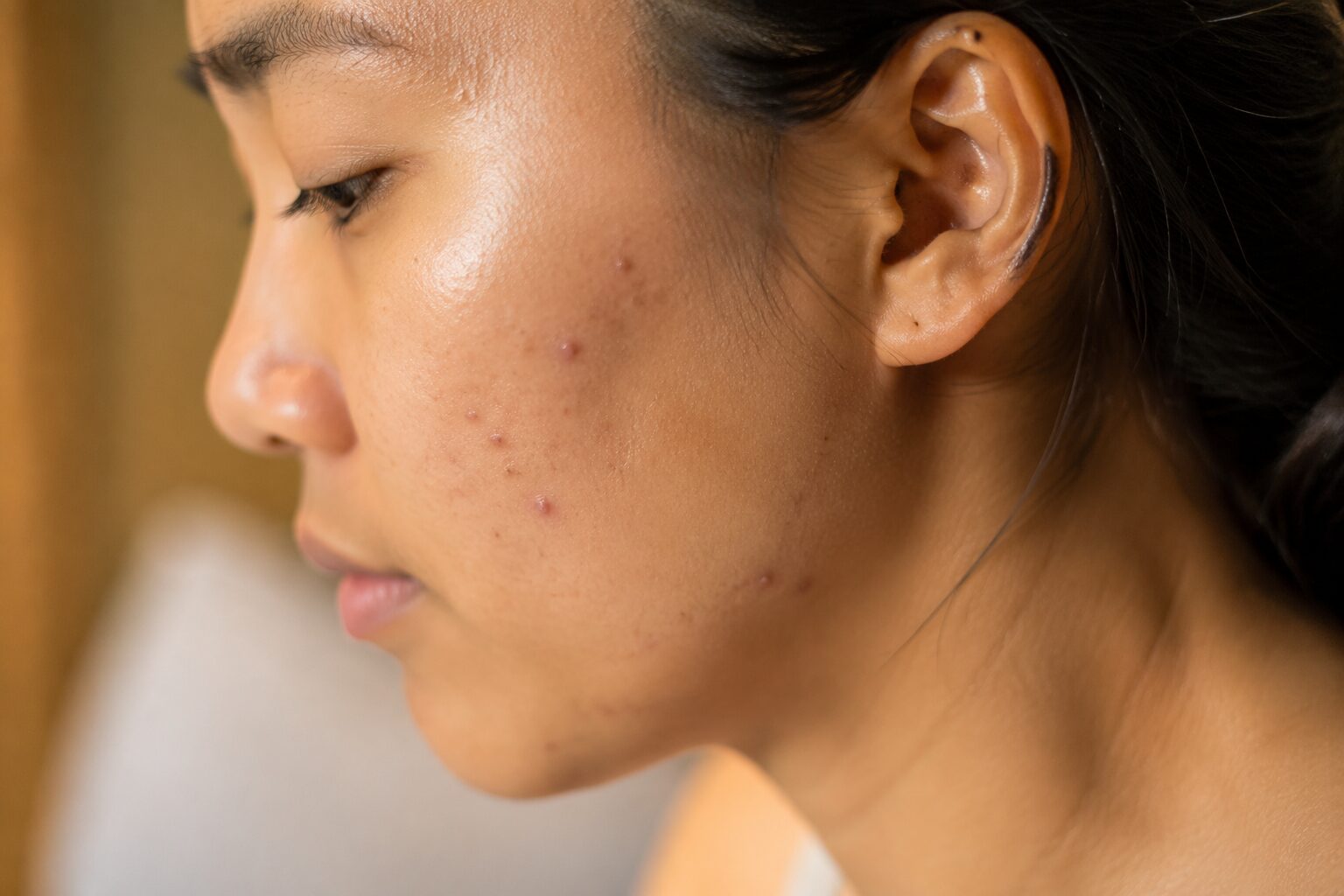
Doxycycline Before and After: Honest Results and Timelines
Last updated: June 26, 2026
I’ve spent years watching patients start doxycycline with high hopes and quit at week three because they expected faster results. That pattern is almost always preventable with better information upfront.
This article walks you through what your skin actually looks like at each milestone, why two people on the same 100 mg dose can get different outcomes, and what happens after you stop – because that last part is where most people get blindsided.
I’ll also share what I tracked during my own 12-week run on doxycycline, including the two flares I didn’t see coming and the one change at week four that made the biggest difference.
Quick answer: Doxycycline typically reduces active acne breakouts within 2–6 weeks, with significant clearing visible by weeks 8–12. Initial purging or slow progress is common in the first two weeks. Final results depend on acne severity, dosage, and consistency. Most users see their clearest skin around the 10–12 week mark before transitioning to a maintenance plan.
The Doxycycline Timeline: What Your Skin Actually Looks Like Week by Week
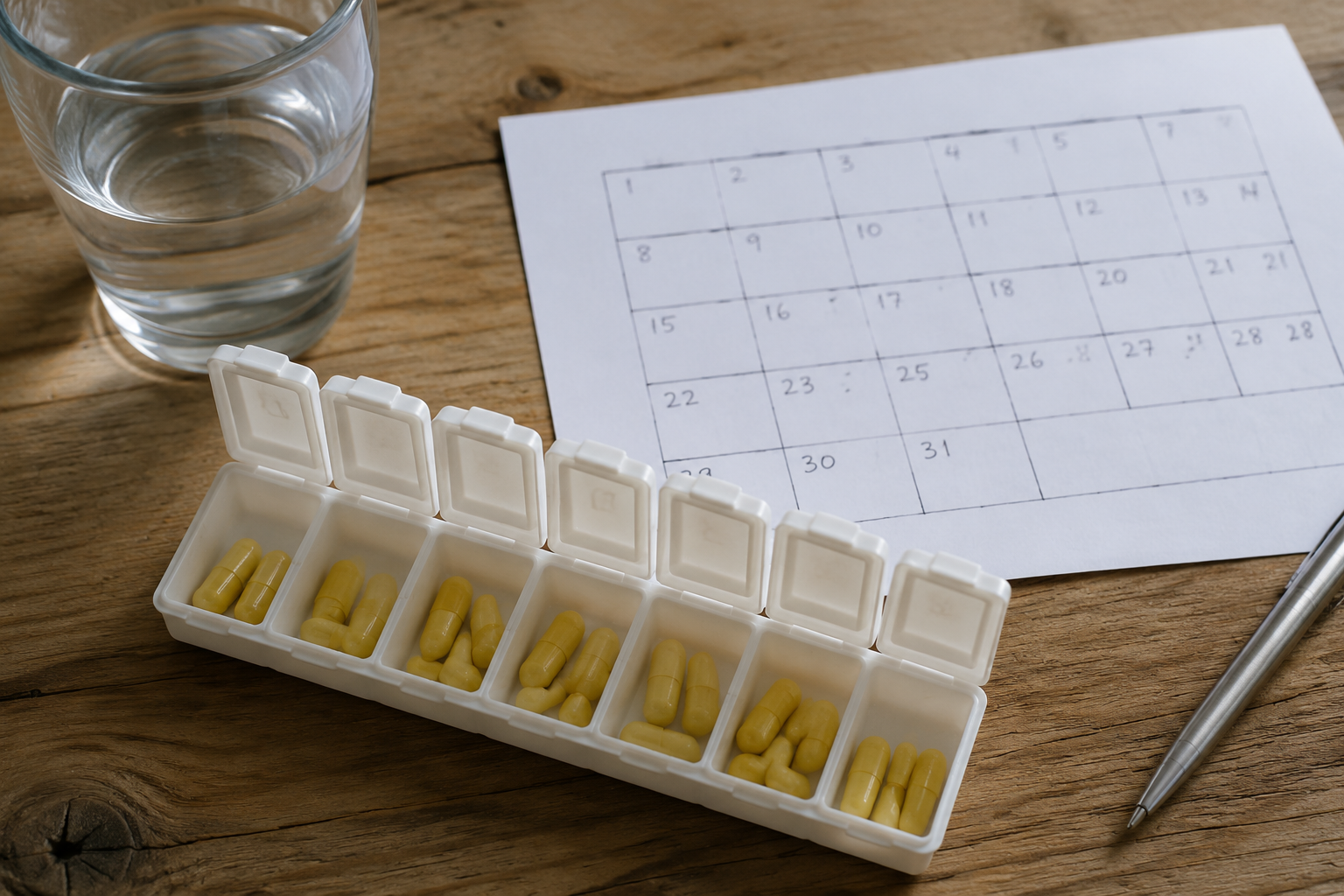
Doxycycline starts reducing inflammation within the first 2 weeks, but visible clearing of active lesions typically takes 4 to 8 weeks of consistent use. According to Nolla Health, full results don’t land until 8 to 12 weeks – and Verywell Health confirms that some patients don’t see meaningful change until that 12-week window closes.
One thing I want to flag early: doxycycline does not cause a purge. GoodRx notes that unlike tretinoin, doxycycline doesn’t typically make acne worse before it gets better. If you’re seeing a significant increase in breakouts after week three, that’s a reason to call your prescriber – not something to wait out.
Here’s how the weeks break down in practice. For a deeper look at the week-by-week data, see how long doxycycline takes to work for acne.
At 2 weeks, the anti-inflammatory effect is already working even if your skin doesn’t look dramatically different. Redness around existing spots tends to calm down first. New pustules may still appear – your bacterial load hasn’t dropped enough yet to stop them entirely.
By 4 weeks, most people notice a real reduction in new breakouts. This is the milestone where patients start feeling like it’s actually working. Existing lesions are healing faster, and the gap between breakout clusters gets longer.
8 weeks is where clinical benchmarks land. Studies consistently show roughly 50% lesion reduction as a common outcome at this point. If you’re tracking with photos (and I’d strongly recommend you do), the difference between your week-one baseline and week eight is usually striking.
At 12 weeks, you’re at the full results window. Some patients reach near-clearance. Others land at 60 to 70% improvement with residual post-inflammatory hyperpigmentation (PIH) marks still fading. Both outcomes are within the normal range – what you see at week 12 is a realistic picture of what doxycycline alone can deliver for your specific skin.
Factors That Shift Your Results Earlier or Later
Two people can take the same 100 mg doxycycline prescription and have completely different timelines. Several variables explain why, and knowing them helps you set a realistic expectation instead of panicking at week four.
This PMC/NIH review of oral doxycycline in acne management details how bioavailability and concurrent treatment choices both influence clinical outcomes – the science backs up what I’ve seen play out in practice.
- Acne type and severity – Inflammatory papules and pustules tend to respond faster than deep nodules or cysts. Nodular acne pushes your timeline toward 10 to 12 weeks before meaningful clearing.
- Dose – Prescribers commonly use 50 mg, 100 mg, or 200 mg daily. Higher doses generally act faster, but they also carry a higher risk of GI side effects. Don’t compare your 50 mg result to someone else’s 200 mg story online.
- Consistency of dosing – Missing doses isn’t a minor slip. It lets bacterial populations partially recover and can contribute to antibiotic resistance over time. I set a daily phone alarm and treat it as non-negotiable.
- Food and dairy timing – Taking doxycycline with a full meal reduces absorption by roughly 20%, and calcium from dairy can cut it further. If your prescriber said fasted, take it fasted – with a full glass of water to protect your esophagus.
- Concurrent topicals – Adding tretinoin or benzoyl peroxide alongside doxycycline measurably accelerates results. When I introduced tretinoin at week three, I noticed a visible difference in skin texture by week eight that doxycycline alone wouldn’t have produced.
- Antibiotic resistance – C. acnes resistance to doxycycline is real and growing. If you’ve used oral antibiotics before with diminishing returns, tell your prescriber – it changes the treatment calculus.
- Hormonal component – Doxycycline addresses bacteria and inflammation, not hormones. If your breakouts cluster around the jaw and chin and flare with your cycle, you may see partial improvement that plateaus – a clear signal to ask about spironolactone.
My 12-Week Doxycycline Test: What I Tracked and What Changed
Doxycycline Before and After: Realistic Outcomes vs. Common Expectations
Social media feeds people a skewed picture of what doxycycline delivers – dramatic before-and-afters, complete clearance in 30 days, no side effects. The actual patient data tells a more measured story. Drugs.com’s review aggregate puts the average rating at 6.7 out of 10 from 776 reviews, with 52% reporting a positive experience. That’s a solid but not universal result.
For readers weighing stronger options if doxycycline falls short, the doxycycline vs Accutane comparison lays out when it makes sense to escalate.
| Common Expectation | Realistic Outcome | Why the Gap Exists |
|---|---|---|
| Complete clearance by 1 month | ~30-40% lesion reduction at 4 weeks | Doxycycline reduces inflammation gradually; bacterial load takes weeks to fall |
| Permanent cure | Acne often returns within 4-12 weeks of stopping | Doxycycline suppresses C. acnes but doesn’t fix excess oil, clogged pores, or hormones |
| No side effects | Nausea, sun sensitivity, and GI upset are common | Especially during the first 2 weeks as your gut adjusts |
| Works equally for everyone | Hormonal acne responds less well | Androgen-driven breakouts need treatment doxycycline was never designed to address |
| Can stay on it indefinitely | Dermatologists typically limit use to 3-6 months | Antibiotic resistance is a real and growing clinical concern |
For a full breakdown of what to watch for, see the doxycycline side effects to watch for guide.
The consistent theme across these gaps is that doxycycline is a tool with a defined job – reducing bacterial load and inflammation – and expecting it to do more than that leads to disappointment. Use it for what it’s actually good at, and pair it with treatments that cover the gaps.
What Happens to Your Skin After You Stop Doxycycline
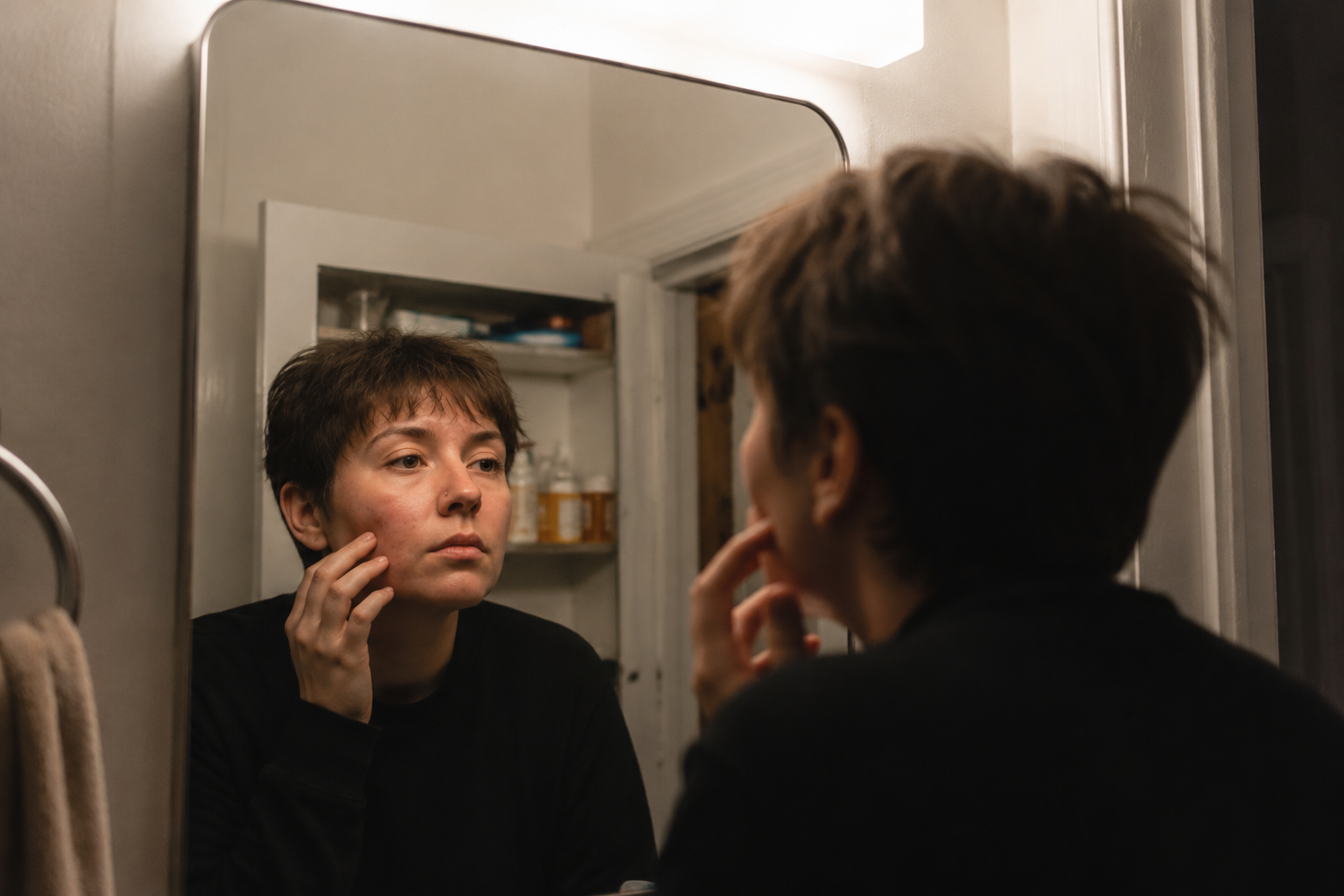
Doxycycline doesn’t cure acne. It suppresses C. acnes bacteria and dials down inflammation while you’re taking it – but the underlying conditions that caused your breakouts (excess oil, clogged pores, hormonal fluctuations) are still there.
Because of that, rebound is common. Many patients notice acne returning within 4 to 12 weeks of stopping, sometimes at the same severity as before. Skinartistryclinic.com puts it plainly: doxycycline doesn’t cure acne, and stopping without a plan is one of the main reasons people end up back at square one.
The goal, then, is to have something waiting before you take your last pill. Most dermatologists bridge patients to a topical retinoid like tretinoin (0.025% to 0.05% to start) and often add benzoyl peroxide to keep bacterial load down. These two together can maintain much of the clearing doxycycline achieved.
For women whose acne has a hormonal pattern – breakouts clustered around the jaw, chin, or cycle – spironolactone is worth asking about. It targets the androgen activity that drives hormonal acne, something doxycycline never touched in the first place.
Don’t stop doxycycline without talking to your prescriber first. A planned transition, not a cold stop, is what separates patients who keep their results from those who feel like they’re starting over. For the full picture on managing your treatment, the complete guide to doxycycline for acne covers maintenance strategies in detail.
Before You Judge Your Results: Questions Worth Answering First
Is it normal for acne to get worse in the first two weeks on doxycycline?
A small, brief flare can happen in the early weeks, but it’s not the norm – and doxycycline doesn’t cause the kind of purge that tretinoin does. If your breakouts are significantly worse after 3 to 4 weeks, that’s not something to wait through.
Contact your prescriber, because worsening acne at that stage can signal that something else is going on.
Can I drink alcohol while taking doxycycline?
Occasional light drinking is not considered dangerous while on doxycycline, but alcohol can amplify nausea – one of the most common early side effects. There’s also some evidence it may reduce the antibiotic’s efficacy. For a full breakdown of what’s safe, see alcohol and doxycycline interactions explained.
What if I see no improvement after 6 weeks?
Six weeks with zero visible change is a real signal, not just impatience. Go back to your prescriber at that point. They may adjust your dose, add a topical, or investigate whether antibiotic resistance or a hormonal driver is blunting your response. Don’t quietly stay on a treatment that isn’t moving the needle.
How do I keep my results after I stop taking doxycycline?
A maintenance plan is non-negotiable. Tretinoin, benzoyl peroxide, or spironolactone (for women with hormonal acne) can sustain most of the clearing doxycycline produced. Stopping cold without a transition plan is the most common reason acne rebounds to pre-treatment severity within two to three months.
Sources
- Nolla Health – How long doxycycline takes to work for acne, timeline benchmarks
- PMC/NIH – Oral Doxycycline in the Management of Acne Vulgaris, peer-reviewed clinical review
- Verywell Health – Doxycycline for acne, how quickly it starts working
- GoodRx – Doxycycline for acne, side effects and purge clarification
- Drugs.com – Doxycycline for acne patient reviews, 776-review aggregate
- Skin Artistry Clinic – Does acne come back after doxycycline, rebound explanation