Can You Drink Alcohol on Doxycycline?
Last updated: June 26, 2026
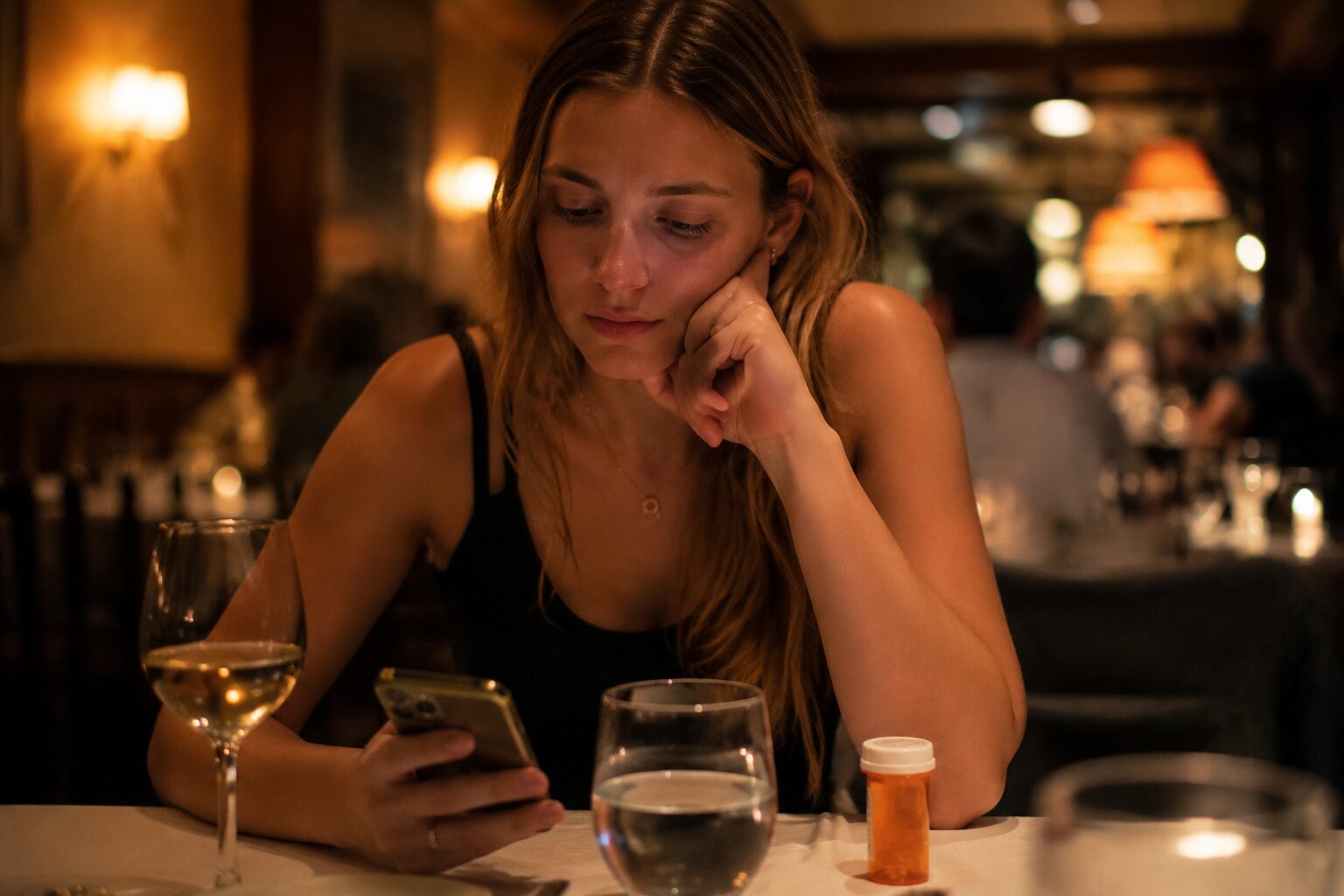
I’ve been asked this question more times than I can count – usually by someone staring at a drink menu two weeks into a doxycycline course, wondering if one glass of wine is about to undo everything. The honest answer is more nuanced than “just don’t.”
Most prescribers don’t explain the actual mechanism, so patients either avoid alcohol completely out of fear or ignore the warning entirely. Neither extreme is necessary. What matters is the pattern of your drinking, not the existence of it.
This article walks through what alcohol does (and doesn’t do) to doxycycline for acne treatment at the pharmacology level, breaks down risk by drinking pattern, and covers the side effects worth actually watching for. By the end, you’ll have a clear picture of what’s safe and what genuinely isn’t.
Quick answer: You can drink alcohol in moderation while taking doxycycline, but heavy drinking reduces the antibiotic’s effectiveness and worsens side effects like nausea, dizziness, and stomach upset. Alcohol speeds up doxycycline metabolism, lowering its concentration in your bloodstream. Casual drinkers face minimal risk, while heavy drinkers risk treatment failure and increased liver strain.
The Short Answer: It Depends on How Much You Drink
If you’re on doxycycline for acne and you want a beer at a friend’s birthday, you’re almost certainly fine. According to SingleCare, moderate drinking – up to 1 drink per day for women, up to 2 for men – is generally considered safe alongside doxycycline.
The real concern is heavy or chronic drinking, not a single social drink. Regularly putting away 4-5 drinks a night over several months is a meaningfully different situation than having a glass of wine with dinner.
Doxycycline also gets unfairly lumped in with antibiotics like metronidazole (Flagyl), which causes a genuinely miserable reaction when mixed with alcohol – flushing, vomiting, rapid heartbeat. Doxycycline does not work that way. There is no disulfiram-like reaction. Keep reading to understand exactly what does happen in your body when you combine the two.
How Alcohol Actually Affects Doxycycline in Your Body
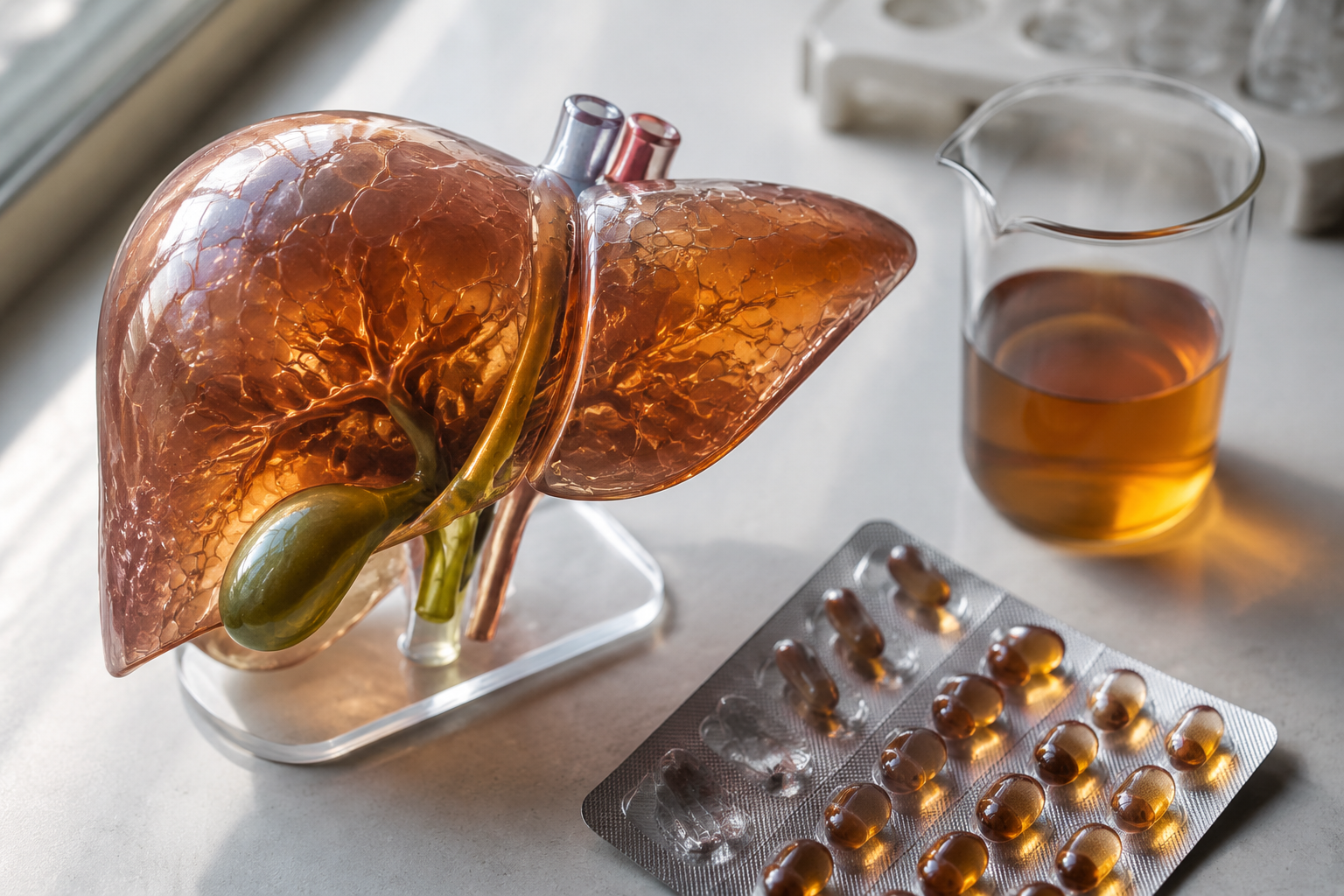
The liver is the key to understanding this. Both alcohol and doxycycline are processed there, and the interaction depends almost entirely on how much you drink and how often.
Here are the specific mechanisms worth knowing:
-
Chronic heavy drinking speeds up liver enzymes – As Pharmazevo explains, regular alcohol use induces the CYP450 enzyme family, which handles metabolizing many medications including doxycycline. More enzyme activity means the drug gets cleared faster.
-
Doxycycline’s half-life can shorten by up to 4 hours – Grove Treatment reports that heavy drinkers can see doxycycline’s half-life drop from around 18 hours to closer to 14. Lower blood levels mean less consistent bacterial suppression of Cutibacterium acnes, the bacterium behind inflammatory acne.
-
Moderate drinking does NOT block doxycycline’s antibiotic mechanism – One or two drinks won’t interfere with how the drug inhibits bacterial protein synthesis. The pharmacology simply doesn’t work that way at low doses.
-
Alcohol has minimal effect on doxycycline absorption – This surprised me when I first looked into it. Unlike dairy products, calcium supplements, or antacids – which can cut doxycycline absorption by up to 20% – alcohol itself doesn’t meaningfully reduce how much of the drug gets into your bloodstream.
-
Immune suppression slows recovery from active infection – Alcohol impairs white blood cell activity, which matters more if you’re fighting an active infection rather than treating acne. For acne patients, this is a lower-stakes concern, but worth knowing.
-
The risk scales with habit, not with a single event – One night of drinking won’t measurably alter your enzyme levels. It’s the chronic pattern – nightly drinking over a 3-6 month acne course – where cumulative enzyme induction becomes clinically relevant.
I always frame it to people this way: the drug doesn’t know you had a beer. Your liver only starts behaving differently when alcohol is a daily fixture.
Casual Drinker vs. Heavy Drinker: The Risk Is Not the Same
Acne treatment courses with doxycycline typically run 3-6 months. That timeline makes your habitual drinking pattern far more relevant than any single occasion. A table helps clarify where the real thresholds are.
The comparison below covers four drinking patterns and what each means for your treatment.
| Drinking Pattern | Effect on Doxycycline Effectiveness | Side Effect Risk | Recommendation |
|---|---|---|---|
| Non-drinker | No impact | Baseline only | No changes needed |
| Occasional moderate (1-2 drinks a few times per month) | Negligible | Slightly elevated GI risk on drinking nights | Fine to continue; take dox with food |
| Daily moderate (1-2 drinks every evening) | Minimal to mild enzyme induction possible over months | Moderate GI and fatigue overlap | Monitor acne progress; discuss with prescriber at 6-week check-in |
| Heavy/chronic (3+ drinks daily) | Meaningful half-life reduction; reduced blood levels over time | Higher: nausea, dizziness, immune suppression compound | Discuss honestly with prescriber; consider reducing alcohol or adjusting dose timing |
The “heavy/chronic” row is where clinical concern actually begins. Daily 1-2 drinks sits in a gray zone, especially over a full 6-month course – not dangerous, but worth watching.
If you’re unsure whether your doxycycline before and after results are on track given your lifestyle, that 6-week prescriber check-in is the right time to raise it.
Side Effects That Alcohol Can Make Worse
Alcohol and doxycycline don’t cause a dangerous drug-drug reaction, but they do share several side effect profiles. When you combine them, you’re essentially doubling down on the same biological pathways. The complete guide to doxycycline side effects covers all adverse effects in depth – here I’m focusing only on the ones alcohol directly amplifies.
-
GI upset and nausea – Both doxycycline and alcohol irritate the stomach lining independently. Together, especially on an empty stomach, the nausea can hit noticeably harder. I’ve seen this firsthand; it’s the most consistent complaint from patients who drink on the same night as their evening dose.
-
Dizziness and fatigue – Both substances have central nervous system effects that add up. Doctronic notes that the combination can amplify dizziness and next-day fatigue beyond what either causes alone.
-
Photosensitivity – Doxycycline already raises your skin’s sensitivity to UV light substantially. Alcohol causes dehydration, and dehydrated skin burns faster. The combination matters most in summer or if you’re spending time outside the day after drinking.
-
Esophageal irritation – Doxycycline is notorious for causing esophageal damage if it sits in the esophagus – a risk that’s real if you take it with insufficient water or lie down too soon after dosing. Alcohol relaxes the lower esophageal sphincter, which can worsen reflux and increase that irritation risk.
-
Practical fix that actually works – Take doxycycline with a full 8-oz glass of water. Stay upright for at least 30 minutes after your dose. On nights you drink, eat a full meal before your first drink. These three steps eliminate most of the compounded GI and esophageal risk.
My Own Experience: Tracking a Weekend of Social Drinking During a 12-Week Course
What Readers Ask Most About Doxycycline and Alcohol
How long after stopping doxycycline can I drink alcohol?
According to Drugs.com, 48 hours after your last dose is a safe buffer. Doxycycline’s half-life runs 18-22 hours, meaning the drug is largely cleared from your system within 2 days. If you want extra margin, 72 hours is the more conservative recommendation from most pharmacists.
Will one beer ruin my doxycycline treatment for acne?
No. A single drink is extremely unlikely to affect treatment efficacy or trigger any harmful reaction. The concern with doxycycline and alcohol is specifically about habitual heavy drinking across a multi-month course – not isolated social drinking.
If you’re worried about whether your skin is still responding, doxycycline before and after results at the 8-12 week mark are a better gauge than any single night out.
Does alcohol stop doxycycline from working?
Not at moderate amounts. Heavy, chronic drinking can induce the liver enzymes that speed up doxycycline clearance, which gradually lowers blood levels over time. At moderate intake, that enzyme induction doesn’t occur meaningfully enough to affect treatment.
If you’re also weighing whether doxycycline is the right option for your acne severity, the doxycycline vs Accutane comparison covers when each makes clinical sense.
I drank last night and forgot I was on doxycycline – should I be worried?
Probably not. One episode of moderate drinking won’t undo your treatment or cause a dangerous reaction. Continue your normal dosing schedule the next morning and watch for any unusual GI symptoms. If you experienced significant nausea or dizziness, that’s worth noting – but it’s a side effect concern, not a safety emergency.
Sources
- SingleCare – doxycycline and alcohol safety overview
- Grove Treatment – alcohol reduces doxycycline half-life by up to 4 hours
- Pharmazevo – chronic alcohol and CYP450 enzyme effects on doxycycline
- Drugs.com – how long after stopping doxycycline can you drink alcohol
- Doctronic – doxycycline interactions including alcohol and side effects
- NIH MedlinePlus – doxycycline drug information