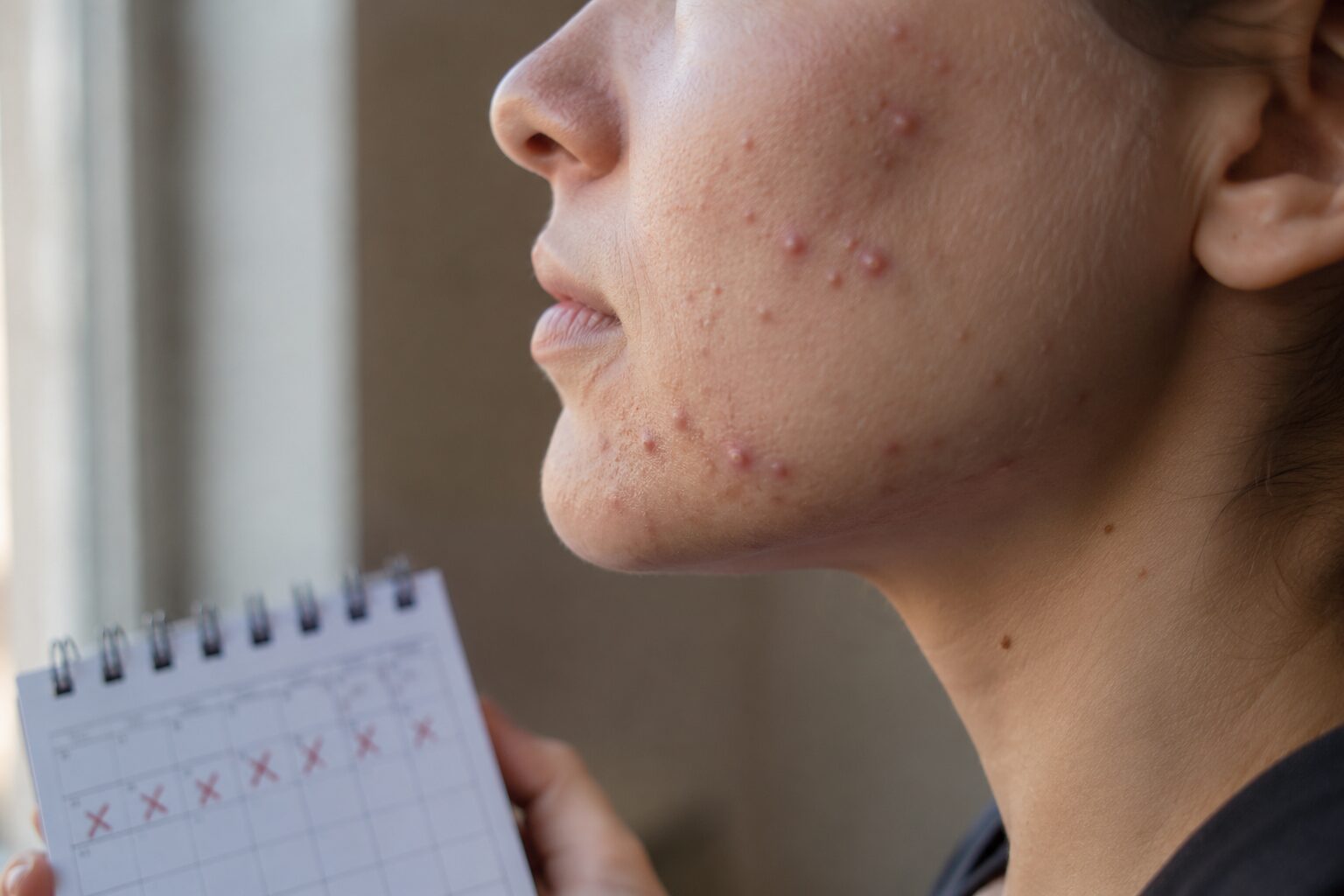
when does accutane start working
Last updated: June 11, 2026
I’ve coached people through some frustrating goal gaps, but the ones that stick with me are the ones where someone quits right before a real turn.
Isotretinoin is one of the few places I see that exact pattern play out in a medical context – people who stop a treatment that was about to work because nobody gave them a map.
I spent six months tracking my own progress on isotretinoin for moderate-to-severe cystic acne. What I kept wishing I had was a plain-language, week-by-week picture of what was actually happening and why. My dermatologist was great, but appointments were short and the handouts were thin.
This article is that picture. You’ll get the full timeline, the biology behind the purge phase, the variables that affect your personal pace, and a clear way to tell real progress from side effects. No shortcuts here – just what the experience actually looks like from the inside.
Quick answer: Accutane typically starts working within 4 to 8 weeks, though most patients see meaningful skin improvement between months 2 and 3. An initial purge — where acne temporarily worsens — is common in the first few weeks. Full results usually develop over a complete 4-to-6-month course of treatment.
The Week-by-Week Accutane Timeline Most Dermatologists Don’t Print Out for You
Accutane starts affecting your sebaceous glands almost immediately, but visible skin changes lag well behind the internal process. According to U.S. Dermatology Partners, most people see some improvement within 1 to 3 months, though full results depend on severity, dosage, and individual response. Here’s what each phase actually looks like on the ground.
-
Weeks 1-2: Dryness shows up before anything else – Sebum production starts dropping within the first week, but your skin won’t look clearer yet. What you’ll notice first is dryness – especially your lips, which can start flaking by day five or six. Keep a thick balm like Aquaphor on you from day one. No visible clearing at this stage is completely normal; the drug is working below the surface.
-
Weeks 3-6: The purge phase – New pimples form faster than usual as existing clogs get pushed toward the surface. This is the window where most people panic and consider stopping. The purge typically peaks around week four and begins tapering off by week six. Resist adding aggressive topicals like benzoyl peroxide on top – your skin barrier is already under stress and doesn’t need extra friction.
-
Months 2-3: First real signs of clearing – New breakouts start forming less frequently. Existing spots heal faster than they used to. Skin texture may still look uneven, but the direction has clearly changed. Most patients feel a noticeable shift somewhere in this two-month window – fewer cysts forming, less surface congestion overall.
-
Months 4-5: Significant improvement for most patients – By month four, the majority of people on a standard course – typically 0.5 to 1 mg/kg per day – are seeing 70 to 80% reduction in active acne. Skin texture changes become visible here too: pore appearance shrinks, oiliness drops noticeably, and surface smoothness improves. This is often the stage that feels like a real before-and-after.
-
Month 5-6 and beyond: Treatment ends, results continue – Most courses run five to six months depending on your cumulative dose target. What a lot of people don’t realize is that skin keeps improving for 4 to 6 weeks after the last pill. The full result isn’t visible on your final treatment day – it shows up as your skin finishes the process isotretinoin started. For a detailed picture of what happens after your course ends, see what to expect after finishing accutane.
The Accutane Purge Is Real – Here’s Why It Happens and How Long It Lasts
The most common reason people quit isotretinoin too early is that their skin gets noticeably worse around week three and they assume the drug isn’t working. What’s actually happening is the opposite.
Isotretinoin shrinks your sebaceous glands – the oil-producing structures under each pore – and dramatically cuts sebum output, often by 70 to 90% over the course of treatment.
In the first few weeks, that rapid cellular disruption pushes existing clogs, dead skin cells, and trapped sebum toward the surface before your skin has had time to clear.
Think of it like clearing a backed-up drain: the blockage has to move somewhere, and for a few weeks, it comes out as new pimples.
Dermatologists at BH Skin observe the purge window typically falling between weeks 3 and 6, peaking around week four. Breaking out in areas you don’t normally – chest, back, or jawline – is consistent with a purge, not a sign something has gone wrong.
Knowing the difference between a purge and a true adverse reaction matters. In my experience, a purge looks like your usual acne, just more of it at once. A true adverse reaction looks different: severe rash, hives, swelling, or systemic symptoms like significant joint pain or mood changes.
If you’re seeing those, call your dermatologist. For a clearer breakdown of the two, the accutane purge vs allergic reaction guide walks through exactly what to look for.
A temporary flare of familiar pimples is expected. Stopping during this window is the single most common way people cut their results short before the drug gets a real chance to work.
Factors That Shift Your Personal Timeline Earlier or Later
Your timeline on isotretinoin isn’t fixed. I found that several variables determine whether you see clearing closer to month two or month five – some within your control, some not.
-
Baseline acne severity – Cystic acne with deep, rooted nodules takes longer to clear than comedonal acne (blackheads and whiteheads). Someone with a few inflamed pimples will usually see faster surface results than someone with widespread cystic involvement across the face, chest, and back.
-
Prescribed dosage relative to body weight – Isotretinoin is dosed in milligrams per kilogram of body weight, typically 0.5 to 1 mg/kg/day. Higher doses within the safe range tend to produce faster results, though they also carry more intense side effects. See isotretinoin dosage and body weight guidelines for how dermatologists calculate this.
-
Fat intake at the time you take the pill – Isotretinoin is fat-soluble. Taking it without food can reduce absorption by as much as 40%. A meal with healthy fats – eggs, avocado, peanut butter – meaningfully improves how much of the drug your body actually uses. This is one variable fully in your hands.
-
Individual sebum production rates – People with very oily skin at baseline may take longer to see oil reduction normalize, while people with moderate oiliness may notice the drop sooner. Skin type affects the pace, not the endpoint.
-
Whether a second course becomes necessary – GoodRx notes that if adequate results don’t appear after five months, a second course may be prescribed. This isn’t a failure – some patients, particularly those who started on lower doses, need a second round to hit the cumulative dose target that produces lasting clearance.
What I Tracked Across 6 Months on Isotretinoin
Signs Accutane Is Actually Working (vs. Just Making You Dry)
Dryness starts within days. Actual skin improvement takes weeks. In my own tracking, knowing which signals mean real progress – and which are just side effects – helped me stay the course without second-guessing every symptom. DermOnDemand notes that results often start becoming visible within 4 to 6 weeks, but meaningful clearing typically requires several months of consistent treatment.
The table below separates the signals worth tracking from the ones that are just the drug doing its mechanical work.
| Signal | What It Means | When You’d See It |
|---|---|---|
| Reduced oiliness – midday shine drops noticeably | Sebaceous glands are shrinking; core mechanism working | Weeks 2-4 |
| Fewer new breakouts forming each week | Active acne production is slowing down | Months 2-3 |
| Cysts flattening without coming to a head | Deep lesions resolving from below, not just surfacing | Months 3-5 |
| Pore appearance visibly smaller | Sebum output drop reducing pore dilation | Months 4-5 |
| Skin texture smoothing out overall | Cumulative effect of reduced oil and cell turnover changes | Months 4-6 |
| Lips, skin, and eyes are dry | Normal side effect of sebum suppression | Week 1-2 onward |
| Surface flaking or peeling | Skin barrier adjusting to reduced oil – not a progress signal | Weeks 1-8 |
| Redness without new breakouts | Dryness-related irritation, not clearing | Any point in course |
Reduced oiliness is the earliest meaningful signal. Surface dryness on its own just means the drug is affecting your skin barrier – that’s expected, but it’s not the same as progress. The combination of less oil AND fewer new pimples forming is what you’re actually looking for.
What Patients Actually Want to Know Before Starting Accutane
How long until I see real results from Accutane?
Most people notice the first signs of improvement somewhere between weeks 4 and 8 – usually reduced oiliness and fewer new breakouts forming. Significant clearing typically happens between months 3 and 5. Full results often aren’t visible until 4 to 6 weeks after finishing the course, because skin continues improving after the last pill.
Is it normal for acne to get worse before it gets better on Accutane?
Yes – the purge phase between weeks 3 and 6 is common and expected. Isotretinoin pushes existing clogs and trapped sebum toward the surface as sebaceous glands begin shrinking rapidly. More pimples appearing in this window is a sign the drug has started working at a cellular level. It typically peaks around week four and starts easing by week six.
What should I do if Accutane doesn’t seem to be working after 3 months?
Talk to your dermatologist before drawing conclusions. A dose adjustment may be needed – some patients start at a lower dose and need titration to reach the effective range. In other cases, the full five-month course simply hasn’t run its course yet.
If results remain inadequate after completing the full course, a second course is sometimes prescribed to reach the cumulative dose target associated with lasting clearance.
Does Accutane work on all types of acne, including blackheads?
Yes – isotretinoin treats comedonal acne (blackheads and whiteheads), inflammatory acne, and cystic acne by shrinking sebaceous glands and cutting oil production across all types. Dermatologists confirm that the mechanism isn’t acne-type-specific – reducing sebum at the source addresses the root condition regardless of how it’s presenting on the surface.
The question I’d leave you with before you start – or while you’re in the middle of month three wondering if anything is happening: Can you name exactly where you are in the timeline right now, and what the next realistic signal of progress actually looks like?
Write that down. Knowing what you’re watching for is how you stay in the game long enough for the drug to finish what it started.
Sources
- How Long Does Accutane Take to Work? – U.S. Dermatology Partners – cited for the 1-3 month improvement window and treatment timeline
- How Fast Does Accutane Start Working? – BH Skin Dermatology – cited for the weeks 3-6 purge window
- How Does Accutane Work and Other FAQs – GoodRx – cited for second course indication after 5 months of inadequate results
- Signs That Accutane Is Working – DermOnDemand – cited for the 4-6 week early results window
- Isotretinoin – StatPearls, NCBI/NIH – pharmacology and mechanism reference for sebaceous gland suppression
- Isotretinoin (Accutane) – American Academy of Dermatology – treatment guidelines and patient expectations