
the complete guide to accutane isotretinoin
Last updated: June 25, 2026
I’ve spent years watching patients cycle through antibiotics, benzoyl peroxide washes, and topical retinoids – only to land in my office with the same cystic breakouts they started with. For moderate-to-severe acne that won’t quit, isotretinoin is often the answer nobody explained clearly enough before they started.
This guide covers everything I wish my patients had in hand on day one: how the drug actually works, how dosing is calculated, what your skin will do month by month, what iPLEDGE requires of you, and how to manage the side effects without misery.
I’ve also included my own six-month course experience, because a lot of what the clinical summaries leave out is the stuff that matters most day-to-day.
If you’re about to start, already mid-course, or researching this for someone you care about – read straight through. The more you understand going in, the smoother the whole thing goes.
Quick answer: Accutane (isotretinoin) is an oral retinoid that permanently reduces sebaceous gland size, making it the most effective acne treatment available. A typical course lasts 5–7 months, targeting a cumulative dose of 120–150 mg/kg. Patients must enroll in the iPLEDGE program due to severe birth defect risks, and common side effects include dryness, peeling, and temporary breakout flares.
What Isotretinoin Actually Is – and Why It Works When Nothing Else Does
Isotretinoin is a synthetic derivative of vitamin A – a retinoid taken as a daily oral pill, sold under brand names like Accutane, Absorica, Claravis, and Roaccutane depending on where you live. Unlike a topical retinoid you rub on your face, isotretinoin works from the inside out, reaching every sebaceous gland in your body through your bloodstream.
That systemic reach is why it does things no cream or antibiotic can match.
It attacks severe acne through four separate pathways at once: it shrinks oil glands and slashes sebum production by up to 90%, normalizes the way skin cells shed inside the follicle so pores stop clogging, reduces inflammation directly, and starves *C.
acnes* bacteria of the oily environment they need to survive.
Dermatologists typically prescribe it for moderate-to-severe acne, nodular or cystic breakouts, or acne that has already failed two or more antibiotic courses. Village Dermatology describes isotretinoin as “the closest thing we have to a cure for acne” – and that reputation is backed by decades of data showing roughly 85% of patients achieve long-term clearance after a single course.
Antibiotics only suppress bacteria. They do nothing to shrink oil glands or fix abnormal cell shedding inside the follicle. That’s why acne almost always returns within weeks or months of stopping them – and why isotretinoin’s results can last for years, sometimes permanently.
Dosing, Duration, and the Cumulative Dose Concept
Understanding how your dose is calculated takes the mystery out of why your prescription looks different from someone else’s. Dermatologists don’t pick a number arbitrarily – they work backward from your body weight and a total dose target, then spread that across the length of your course.
According to Mayo Clinic, the standard dose for Accutane and Absorica is 0.5 to 1 mg per kg of body weight per day, split into two doses, typically taken for 15 to 20 weeks.
A 70 kg (154 lb) person at 1 mg/kg would take 70 mg daily – usually as a 40 mg morning capsule and a 30 mg evening capsule.
Most dermatologists start low – around 0.5 mg/kg – for the first 4 to 8 weeks. This reduces the severity of the initial purge and lets your body adjust to the dryness. The dose is then titrated upward as tolerated, pushing toward the cumulative target.
Per the FDA Medication Guide and DailyMed, your dose is chosen specifically for your body weight and you’ll receive no more than a 30-day supply at one time.
Midland Skin notes that a standard course lasts 5 to 7 months, while Village Dermatology puts it at 6 to 8 months. The variation comes down to dose and starting severity.
Low-dose protocols – sometimes as low as 0.25 mg/kg/day – are used for patients with sensitive skin, those prone to severe flares, or adults with milder but persistent acne, as Zena Medical describes. Low-dose courses often run longer to hit the same cumulative target.
Hitting that 120 to 150 mg/kg cumulative total is more predictive of lasting remission than any other variable. Stopping early – even if your skin looks clear – is the most common reason acne returns. I always tell patients to think of the cumulative dose as the finish line, not the calendar date.
For a detailed breakdown of how to calculate your own target, see the isotretinoin dosage calculator and body weight guide.
Month-by-Month: What Actually Happens During a Course
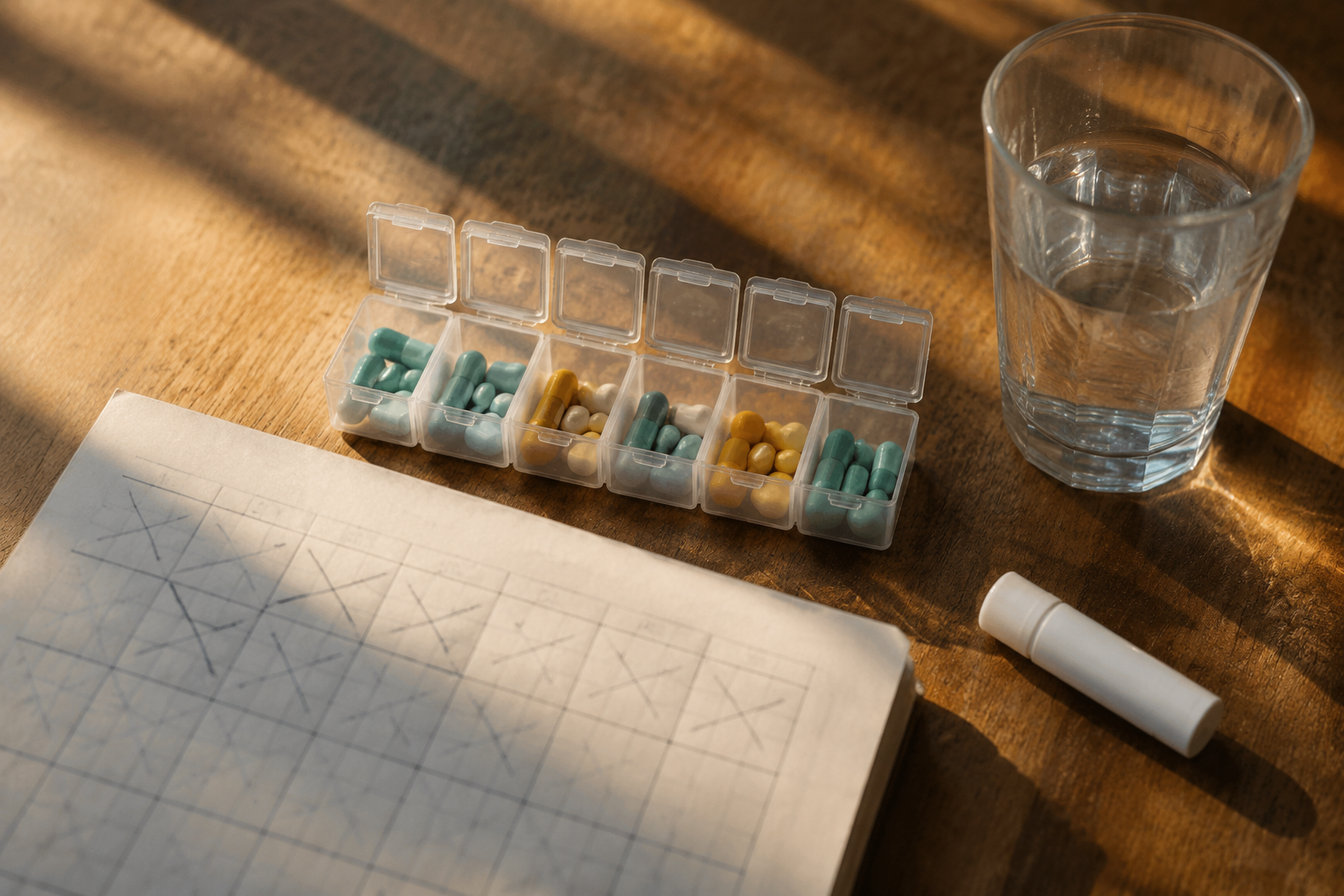
Every patient’s timeline shifts slightly based on dose and skin type, but the broad arc is consistent enough that I can walk you through it phase by phase. Knowing what’s normal in each window keeps you from panicking – or stopping too early.
-
Month 1 – The rough start – Most patients see an initial purge in weeks 2 to 4: existing microcomedones get pushed to the surface all at once, and breakouts can temporarily look worse before they improve. Dryness hits fast – lips are usually the first casualty, so buy CeraVe Healing Ointment or Aquaphor before you fill your prescription. You’ll also complete your first monthly iPLEDGE check-in and blood draw to monitor liver enzymes and lipids.
-
Months 2-3 – The turning point – Sebum production drops noticeably by month 2. Your face stops looking greasy by midday, and you may go three or four days without needing to wash your hair. Side effects – chapped lips, dry eyes, joint stiffness – often peak during this window. Most patients I’ve spoken with say month 2 is the hardest, but it’s also when they first see real clearing starting.
-
Months 4-5 – Significant clearing – For the majority of patients, active breakouts are largely gone by month 4. Skin texture starts smoothing out as old post-inflammatory marks fade faster on isotretinoin than they would off it. Your dermatologist may adjust your dose upward here to push toward your cumulative target of 120 to 150 mg/kg total.
-
Month 6 and beyond – The final stretch – The goal in the last month or two is hitting that cumulative dose. Some courses run 4 months; others stretch to 9, depending on dose and starting severity. Underdosing is the most common reason acne returns after a course – so don’t rush your doctor to stop early just because your skin looks clear.
-
After your last pill – continued improvement – Skin keeps improving for up to 6 months after you finish, as oil gland shrinkage continues and inflammation fully resolves. Sun sensitivity lingers for several weeks, so keep using SPF 30+ daily. Roughly 15 to 20% of patients need a second course – usually those treated at lower doses or who started in their early teens when hormones were still surging hard.
iPLEDGE: The Pregnancy Prevention Program Explained
iPLEDGE exists because isotretinoin is one of the most potent teratogens known – a single dose during early pregnancy can cause severe birth defects affecting the skull, heart, and brain. The FDA created this mandatory risk management program to ensure no pregnant person is ever exposed to the drug.
Every prescriber, pharmacy, and patient in the US must be enrolled in iPLEDGE before isotretinoin can be dispensed. Missing a monthly step locks your prescription until you complete it – there are no exceptions. For the full registration walkthrough, see the iPLEDGE registration step-by-step walkthrough.
Here’s what the program actually requires of you, broken down by requirement:
-
Category assignment based on pregnancy risk – iPLEDGE divides patients into three groups: people who can get pregnant, people who cannot get pregnant (confirmed by medical criteria), and people assigned male at birth. Your category determines which monthly requirements apply to you.
-
Two forms of contraception for people who can get pregnant – You must use two separate, simultaneous methods of contraception starting 30 days before your first dose and continuing for 30 days after your last. One method must be a primary form (hormonal IUD, pill, implant, etc.) and one a backup (condom, diaphragm).
-
Monthly pregnancy tests – People who can get pregnant must have a negative urine or serum pregnancy test within 7 days before each monthly prescription is filled. Your prescriber or a CLIA-certified lab must perform it – a home test doesn’t count.
-
Monthly prescriber visit – All patients must see their prescribing dermatologist every 30 days. This visit includes a review of side effects, a blood draw (checking liver enzymes and triglycerides), and the prescriber unlocking your next 30-day supply in the iPLEDGE portal.
-
Monthly online survey in the iPLEDGE portal – All patients complete a short survey at ipledgeprogram.com each month, confirming they’ve read the risks and are following the requirements. This must be done within a specific window or your prescription is locked.
-
30-day dispensing window – Once your prescriber unlocks your prescription, you have a 7-day window to pick it up at the pharmacy. If you miss it, you must return to your prescriber and restart the unlock process. Missing this is the most common compliance frustration I hear about.
-
30-day supply maximum – You will never receive more than a 30-day supply at one time, regardless of how straightforward your course has been. This is a federal requirement, not a pharmacy policy.
Managing Side Effects Without Losing Your Mind
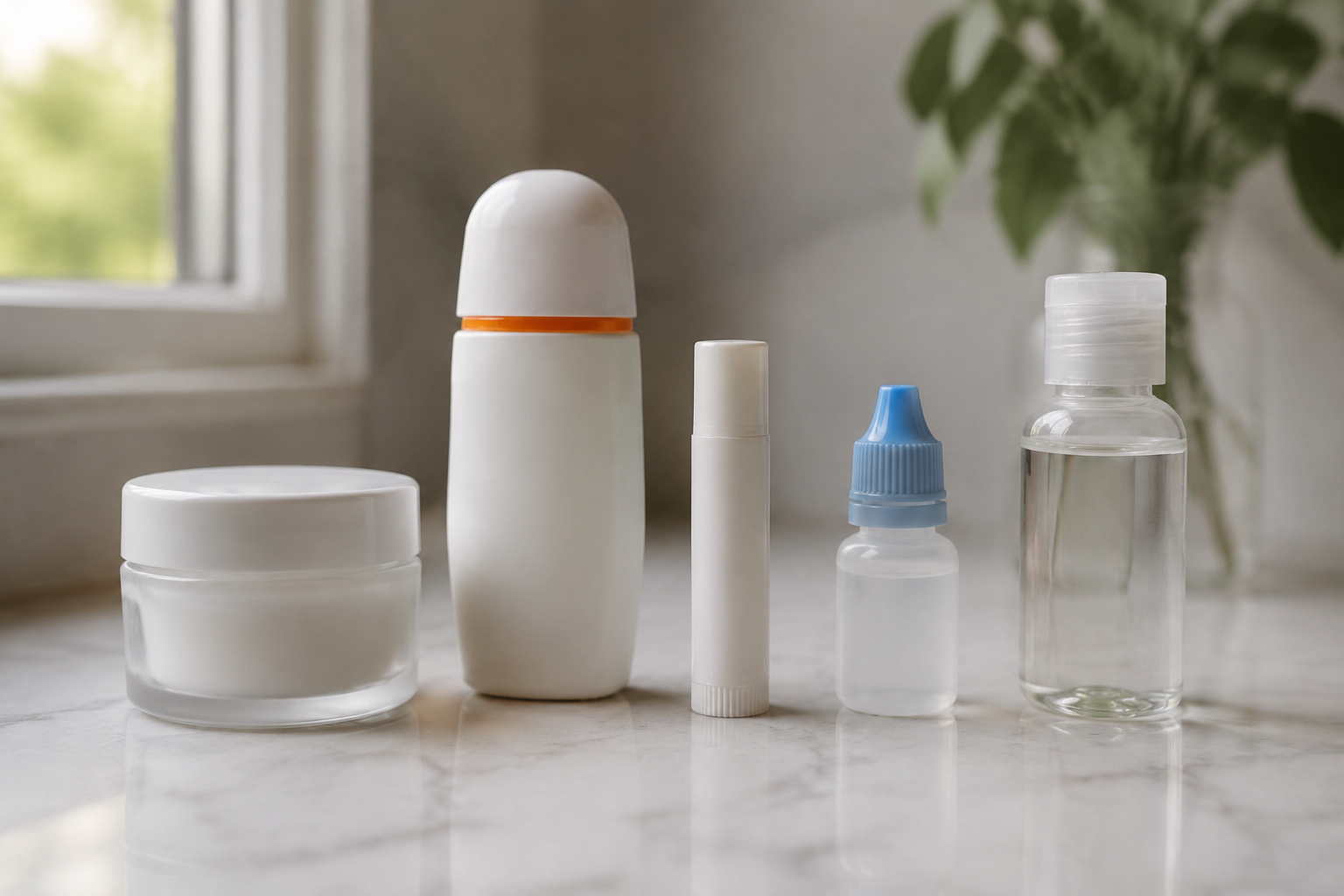
Side effects on isotretinoin are nearly universal – but most are predictable, manageable, and temporary. The key is knowing which ones to expect, which products actually help, and which symptoms mean you need to call your doctor the same day.
I’ve matched each major side effect below to its practical management strategy, along with a flag for anything that crosses from “expected” into “stop and call.”
| Side Effect | How Common | Management Strategy | When to Call Your Doctor |
|---|---|---|---|
| Dry, chapped lips (cheilitis) | Nearly 100% of patients | Apply thick balm (Aquaphor, CeraVe Healing Ointment) every 1-2 hours; never lick your lips | Cracking so severe it bleeds or prevents eating |
| Dry facial skin | Very common | Fragrance-free moisturizer morning and night (CeraVe, Vanicream); switch to a gentle non-foaming cleanser | Painful peeling or open skin |
| Dry eyes | Common | Preservative-free lubricating drops 3-4x daily; pause contact lens use if irritation is significant | Sudden vision changes or eye pain |
| Joint and muscle aches | Moderate (more common at higher doses) | Stay well hydrated (2-3 L water daily); switch to low-impact exercise like walking or cycling | Severe joint pain or inability to bear weight |
| Initial acne purge | Common in weeks 2-4 | Expected – not a treatment failure; continue course unless nodules become severely infected | Sudden widespread cystic flare beyond baseline severity |
| Elevated liver enzymes / triglycerides | Detected via bloodwork | Avoid alcohol entirely; eat low-fat meals; your prescriber monitors this monthly | Your dermatologist will flag abnormal labs and adjust dose |
| Mood changes or depression | Reported; causality debated | Monitor mood closely; tell your prescriber about any new low mood, anxiety, or behavioral changes | Any thoughts of self-harm – stop drug and seek care immediately |
| Sun sensitivity | Universal | SPF 30+ daily, even in winter; reapply every 2 hours outdoors | Severe sunburn from minimal exposure |
For a curated list of the products I’ve personally tested, see best moisturizers and lip balms for isotretinoin dryness.
The mood and depression question comes up constantly, and I want to be direct: the evidence for isotretinoin directly causing depression is genuinely mixed – multiple large studies have not found a causal link, and severe acne itself is a well-documented driver of anxiety and depression.
That said, I always tell patients to track their mood from week one. If something feels off, say something. The risk-benefit conversation is easier to have before a crisis than during one.
My Six-Month Course: What the Guides Don’t Tell You
For visual results from patients at different stages, the accutane before and after: real patient photo timeline gives you an honest look at what the clearing process actually looks like.
What Patients Actually Want to Know Before Starting
Can you drink alcohol while taking isotretinoin?
Most dermatologists advise avoiding alcohol entirely during your course, and I agree with that guidance. Both isotretinoin and alcohol are processed by the liver, and both raise triglyceride levels – combining them puts extra strain on liver enzymes that your monthly bloodwork is already monitoring.
An occasional drink is unlikely to cause serious harm, but regular drinking during a 6-month course is a real risk to your lab results and your overall health during treatment.
Will my acne come back after I finish the course?
Roughly 85% of patients achieve long-term clearance after a single course – meaning no significant acne requiring further treatment.
The 15 to 20% who relapse are more likely to be those who were treated at lower cumulative doses, who started in their early teens before hormonal surges settled, or who have very high baseline sebum production.
A second course is effective for most relapsers and is commonly prescribed.
Does isotretinoin cause permanent depression or mental health problems?
The scientific evidence for a direct causal link is mixed and unproven. Multiple large population studies have not confirmed that isotretinoin independently causes depression – and some data suggest that clearing severe acne actually improves mood and quality of life significantly.
That said, any patient with a personal or family history of depression or mood disorders should discuss this carefully with their prescriber before starting, and all patients should monitor mood throughout the course.
Is isotretinoin safe for adults in their 30s and 40s?
Yes – adult acne is extremely common and isotretinoin is prescribed across all adult age groups with no upper age limit. Older adults may notice joint and muscle aches more than teenagers do, particularly at higher doses, so low-dose protocols are sometimes preferred.
Existing conditions like high cholesterol or liver issues are more relevant to the safety profile than age itself – your prescriber will factor in any comorbidities before prescribing.
What should I do if I miss a dose?
Take the missed dose as soon as you remember, as long as it’s the same day. If it’s close to the time for your next scheduled dose, skip the missed one entirely and continue your regular schedule.
Never take two capsules at once to make up for a missed dose. Missing a dose here and there won’t derail your course – what matters is your cumulative total over the full treatment period, not perfect daily adherence.
Sources
- Isotretinoin (Oral Route) – Mayo Clinic – standard dosing range of 0.5-1 mg/kg/day
- Medication Guide: Accutane – FDA – body-weight-based dosing and 30-day supply limit
- Isotretinoin Capsules USP – DailyMed (NIH) – prescribing and dispensing requirements
- Isotretinoin (Roaccutane/Accutane) Definitive Guide – Midland Skin – standard course length of 5-7 months
- Accutane Instructions – Village Dermatology – 6-8 month course length and “closest thing to a cure” framing
- A Dermatologist’s Accutane Guide – Zena Medical – low-dose protocol indications
Related from The Goal Is Clear
- Accutane and Mental Health
- Accutane Generic Vs Brand
- Is Accutane Covered by Insurance
- When Does Accutane Start Working
- Accutane Purge Explained
- Accutane and Sex Drive
- How to Get Accutane Prescribed
- Accutane Before and After Results
- Accutane Side Effects
- Accutane Prescription Window Timing
- Accutane Cost Without Insurance
- Accutane and Alcohol Risks
- iPledge Program
- Doxycycline Guide
- Spironolactone Guide
- Retinol & Tretinoin Guide
- Acne Treatment Comparison
- Living Well on Acne Treatment
- Microdosing Accutane: what it changes and what it doesn’t